
Li-ion Battery Tips
-

Understanding the LiCoO2 Battery: Features and Uses
Key Highlights The LiCoO2 battery employs lithium cobalt oxide as the cathode material, offering high energy density and efficiency. Reliable performance with stable voltage output makes it suitable for sensitive electronics. Lithium ions move between the electrodes through the electrolyte duri...Read more -

CR123A vs 18650: Which Battery Fits Your Needs Best?
Key Highlights CR123A and 18650 batteries have different uses and fit specific devices. Knowing their features helps you use them well. CR123A batteries are small, single-use lithium batteries. They are good for using flashlights now and then. 18650 batteries can be recharged and hold more ener...Read more -

How to Choose Between 21700 vs 18650 Battery Cells
Key Highlights: 21700 vs 18650 Battery Cells Quick answer: A typical 21700 cell measures about 21 × 70 mm; an 18650 measures about 18 × 65 mm. A 21700 cell generally has greater capacity potential because of its larger volume. However, discharge current, energy density, charging time, cycle l...Read more -

14500 vs 18650 Batteries: An In-Depth Analysis
Key Highlights 14500 and 18650 batteries are both rechargeable lithium-ion batteries. They differ in size, capacity, and usage. 18650 batteries are bigger and have a higher capacity. They are great for high-drain devices like laptops and power tools. 14500 batteries are similar in size to AA b...Read more -

Understanding Methods for Testing Lithium-Ion Battery Resistance: DCIR, ACIR, and EIS
Testing the resistance of lithium-ion batteries commonly involves three methods: DCIR, ACIR, and EIS. Each method has distinct testing principles and physical significance, offering unique insights into the battery’s performance. To understand the differences among these methods, we first n...Read more -

LiPo vs Li-ion Safety: Which Battery Is Safer?
Rechargeable Battery Safety Guide LiPo vs Li-ion Safety: Which Battery Is Safer? Lithium-polymer pouch cells and rigid cylindrical or prismatic lithium-ion cells can both be used safely in well-designed products. Their risks differ, but cell quality, state of charge,...Read more -

INR vs ICR 18650 Batteries: Differences & Selection
18650 Battery Selection Guide INR vs ICR 18650 Batteries: Differences & Selection INR and ICR are common designations for rechargeable 18650 lithium-ion cells. They can indicate different cathode families and performance priorities, but the letters alone do not d...Read more -
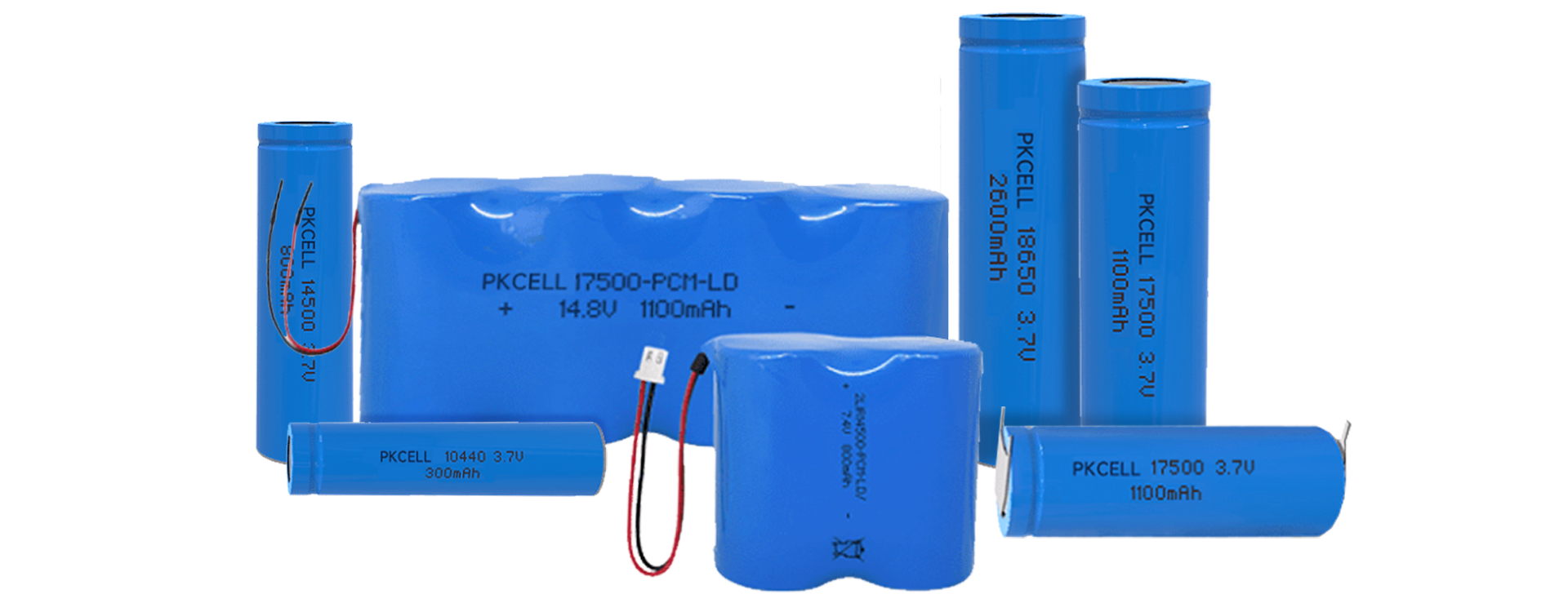
How to Design a Suitable Li-ion Battery Pack?
Designing a lithium-ion (Li-ion) battery pack involves several critical considerations to ensure safety, efficiency, performance, and longevity. This process can be complex, as it requires integrating electrical, mechanical, and thermal management systems. Here’s a detailed overview of how ...Read more -
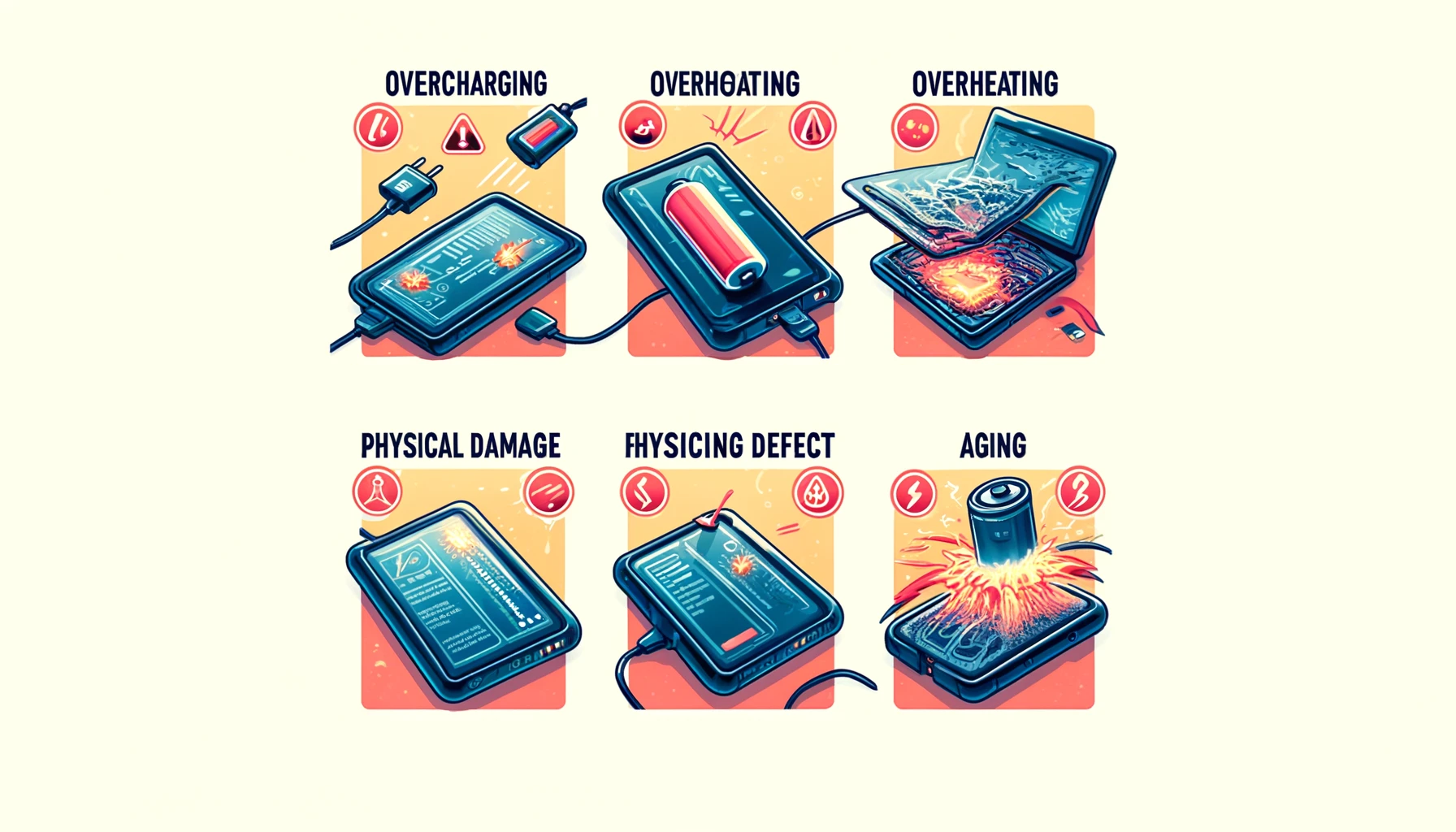
What Causes Li-ion Battery to Swell?
Lithium-ion (Li-ion) batteries are ubiquitous, powering everything from smartphones and laptops to electric vehicles. However, users may occasionally encounter a phenomenon where these batteries swell, posing safety risks and operational issues. Understanding the causes of Li-ion battery swelling...Read more -

What is C Rate in Li-ion Battery?
The concept of the “C rate” in lithium-ion batteries is a pivotal parameter that informs users about the charging and discharging characteristics of a battery. This metric not only influences the performance and efficiency of lithium-ion batteries but also plays a crucial role in thei...Read more -

What is the difference between a lithium battery and a regular battery?
When discussing the differences between lithium batteries and regular batteries, it’s important to delve into several aspects such as their chemical composition, performance, applications, longevity, and environmental impact. These factors collectively shed light on why lithium batteries ...Read more -
Lithium or NiMH Rechargeable Batteries: Which Type Suit for You?
In today’s world, rechargeable batteries play a crucial role in powering a wide array of devices, from portable electronics to electric vehicles. Among the various types available, Lithium-based and Nickel-Metal Hydride (NiMH) batteries are two of the most prominent. Each type comes with i...Read more


