
Lithium Polymer Battery Tips
-

Global Leading Li-Polymer Battery Pack Factory – PKCell Battery
Establishing Global Leadership in Advanced Power Manufacturing Our globalized world requires reliable, high-performance power sources to meet increasing consumer demands for connectivity and mobility. At the forefront of this phenomenon stands Shenzhen PKCELL Battery Co., Ltd. The company has ear...Read more -

Power Up Your Christmas Creations with PKCell Rechargeable Batteries
As the Christmas season approaches, manufacturers and designers across the world are already preparing to launch their next generation of festive products. From glowing ornaments and musical gifts to smart decorations that sync with mobile apps — every innovation has one thing in common: a relia...Read more -

PKCell Rechargeable Batteries Power a Greener Halloween
Introduction As sustainability becomes a global priority, even Halloween decorations are going green. Modern manufacturers and event organizers are switching to rechargeable battery systems to cut waste and cost — without compromising performance. At PKCell, we help manufacturers power their sea...Read more -

LP402025 Battery Guide: Everything You Need to Know
What is the LP402025 Battery? The LP402025 is a lithium polymer (LiPo) rechargeable battery. The model number itself reflects its physical dimensions: 4.0 mm thickness, 20 mm width, and 25 mm length. Despite its small footprint, it delivers stable voltage output and long-lasting performance, ma...Read more -

Maximizing Performance with LP803860 Batteries: A Comprehensive Guide
Key Highlights The LP803860 is a high energy density lithium polymer battery designed for demanding applications like portable electronics and medical devices. Excellent cycle life allows it to be charged up to 500+times without major capacity loss. Features optimal charging characterist...Read more -

Discover LP503035: The Ultimate 3.7V Lipo Battery Guide
Key Highlights The LP503035 is a lithium polymer (LiPo) battery known for its high energy density and lightweight design. This reliable 3.7V battery pack offers a 500mAh capacity and a watt-hour rating of 1.85Wh. With a built-in protection circuit module, the battery ensures safety during opera...Read more -

Your Guide to Rechargeable Batteries for IoT Devices
Key Highlights Rechargeable batteries are essential for sustainable, cost-effective, and high-performance IoT devices. Lithium-ion (Li-ion), Lithium Polymer (Li-Po), and Nickel-Metal Hydride (NiMH) are the core chemistries, each suiting specific IoT needs. Key selection criteria include ...Read more -

Unleash the Power: A Deep Dive into 3S Lipo Battery Technology
Key Highlights 3S Lipo batteries are renowned for their lightweight design and powerful output, making them ideal for RC applications. These battery packs operate at a nominal voltage of 11.1V, ensuring consistency across various devices. Featuring high continuous discharge rates, they d...Read more -

How to Choose Li-Polymer Battery for Wearable Devices: A Comprehensive Guide
Key Highlights Learn the right ways to select the best option for a good fit Li-Polymer battery for wearable devices, avoiding bad decisions that can hinder performance. Understand the variety of offers available in the market that cater to different needs, from high-capacity options to ...Read more -

NiMH vs LiPo: Key Differences You Should Know
Key Highlights NiMH batteries are cheap and last a long time. They are good for beginners, but they don’t hold as much energy as LiPo batteries. Lithium Polymer (LiPo) batteries can store more energy. They are lighter and provide better power output. However, they need careful handling and stor...Read more -

LiPo VS. Li-ion: Which is Safer?
Key Facts 1. LiPo batteries are known for their lower thermal stability, while Li-ion batteries are prone to thermal runaway if damaged, overcharged, or short-circuited. 2. Because of the pouch design, Li polymer batteries are more susceptible to physical damage. Li...Read more -
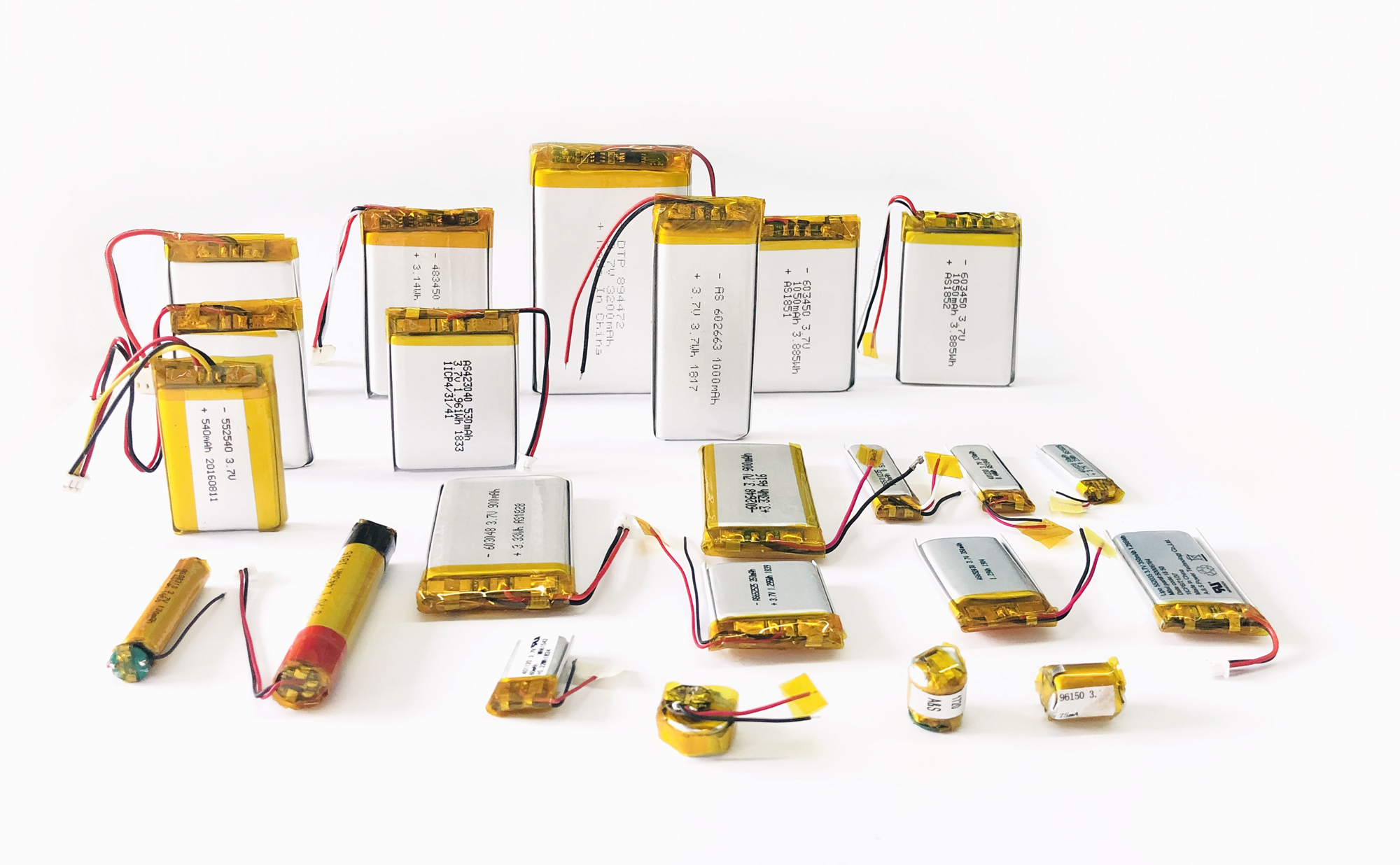
Impact of Discharge Rates in LiPo Batteries for Various Applications
Lithium Polymer (LiPo) batteries have become ubiquitous in modern technology, powering everything from mobile devices to electric vehicles. Their appeal lies in their rechargeable nature, high energy density, and flexibility in shape and size. However, a critical aspect that dictates their effica...Read more


