
Key Highlights
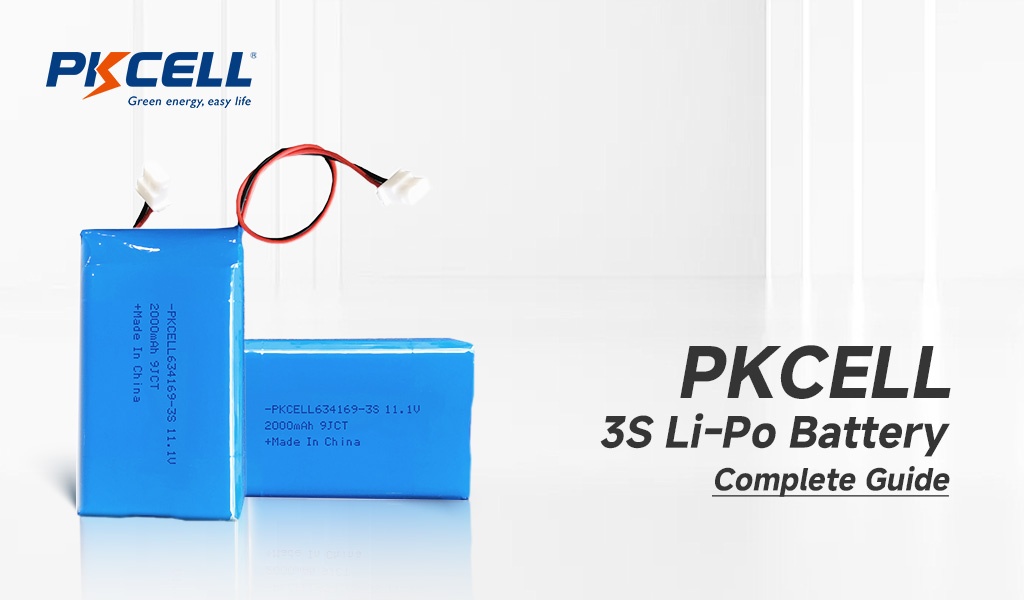
- 3S Lipo batteries are renowned for their lightweight design and powerful output, making them ideal for RC applications.
- These battery packs operate at a nominal voltage of 11.1V, ensuring consistency across various devices.
- Featuring high continuous discharge rates, they deliver reliable performance for FPV racing and freestyle drones.
- Compatible connectors, such as XT30 and IC2, simplify integration with different setups.
- Smart chargers optimize charging precision and battery health, extending the lifespan of LiPo batteries.
- The durable design ensures maximum efficiency for both recreational and professional uses.
Introduction
Lipo batteries have changed the way people use RC (radio-controlled) machines. These batteries give high-power energy every time. Out of all of them, the 3S Lipo battery is special. It gives a nice mix of power, small size, and many uses. If you like FPV racing, flying a drone, or driving RC cars, this type of battery will be a good choice. A 3S Lipo battery gives you steady energy. It can help your drone or other RC machine work better and do more. With new voltage control and good fit with today’s equipment, using a 3S Lipo battery makes your hobby more fun and gives you better performance.
The Core Anatomy of a 3S Lipo Battery
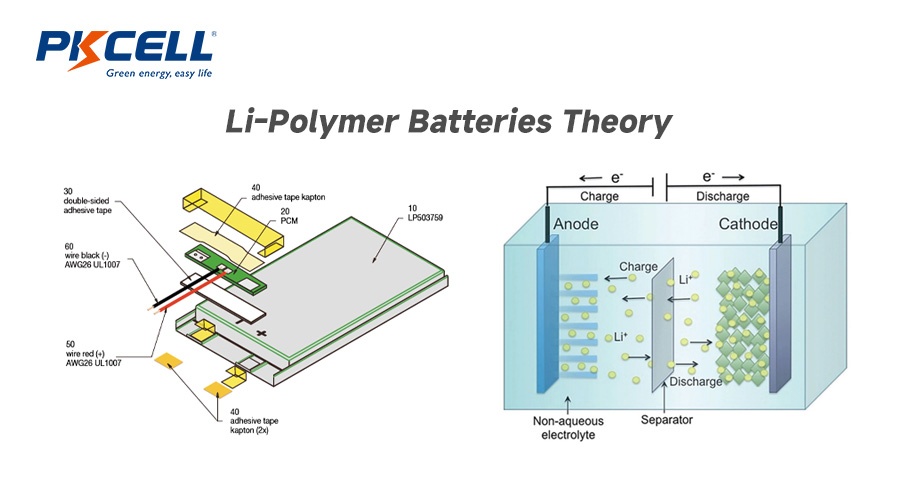 At its heart, a 3S Lipo battery is a marvel of energy storage. Understanding its internal workings is the first step towards appreciating its capabilities and handling it responsibly.
Understanding Li-Po Chemistry
Lithium Polymer (Li-Po) batteries are a type of rechargeable lithium-ion battery. Unlike traditional cylindrical cells, Li-Po cells are typically encased in a flexible pouch, allowing for a wide range of shapes and sizes, which is highly advantageous for compact RC models. Their core chemistry relies on lithium ions moving between a positive electrode (cathode) and a negative electrode (anode) through a polymer electrolyte during charge and discharge cycles.
This chemistry offers several significant advantages over older battery technologies like Nickel-Cadmium (NiCd) and Nickel-Metal Hydride (NiMH):
- Higher Energy Density: LiPo stores significantly more energy for its weight, leading to longer run times and lighter models.
- Higher Discharge Rates: They can deliver large bursts of current, crucial for the demanding power needs of RC motors.
- Lower Self-Discharge Rate: They retain their charge longer when not in use.
Key Specifications Explained
The performance of a 3S Lipo battery depends on several things, such as how much energy it can hold, discharge rates, and its voltage. Here’s what you need to know:
| Specification | Explanation |
|---|---|
| Capacity (mAh) | This tells you how much energy is in the battery. It goes from 450 mAh to 2200 mAh in different uses. |
| Voltage | It uses 11.1 V as the normal voltage. This is good for RC activities that need a lot of power. |
| Continuous Discharge | The “C-rating” shows how fast energy can come out of the battery. Ratings like 95C-150C let it handle big loads. |
| Connector Type | Shapes like XT30 or IC2 help the setup stay easy with things like RC drones and racing cars. |
| Weight | The battery has a lightweight shape. This keeps your drone or other RC gear quick and easy to move. |
Put together, these specifications make 3S Lipo batteries a good option for people who want safe and powerful options for their RC or racing needs. With the right connector and smart charging, these lightweight batteries are built to last and give you the power you want.
Optimizing 3S Lipo Performance in Your Applications
Getting the best out of your 3S Lipo battery means knowing what it can do and how to use it for what you need. This battery pack works well in RC cars, drones, and FPV racing. People like these batteries because they give your device high speed for a long time. This helps with both fast moves and steady control.
Matching 3S Lipo with Your RC Setup
The synergy between your 3S Lipo battery and your RC model’s components—especially the motor and Electronic Speed Controller (ESC)—is paramount.
- Voltage Compatibility: Ensure your motor and ESC are explicitly rated to handle 11.1V (3S). Over-volting can instantly damage components.
- Current Draw: Calculate your model’s maximum current draw (Amps) under load. Your battery’s continuous C-rating multiplied by its capacity (e.g., 2.2Ah * 50C = 110A) must exceed this demand. If your motor requires 80A at full throttle, a battery rated for only 50A continuous discharge will quickly be overstressed.
- Physical Fit and Weight: Consider the battery’s dimensions and weight. A battery that’s too large won’t fit, and one that’s too heavy can negatively impact the model’s balance, flight time (for drones/planes), or handling (for cars).
- Connector Type: Ensure the battery connector (e.g., XT60, Deans, EC3) matches your ESC or charger, or use appropriate adapters.
The Impact of Discharge Rate (C-Rating) on Performance
The C-rating is a direct indicator of a battery’s power delivery capability.
- High C-Rating: Essential for applications requiring rapid acceleration, steep climbs, or high speeds. Examples include FPV racing drones, high-performance RC cars, and large-scale RC airplanes. A high C-rating ensures the battery can meet peak current demands without excessive voltage sag, keeping your model performing optimally.
- Low C-Rating: Suitable for models with lower power requirements, such as slow flyers, scale crawlers, or trainers. Using a high C-rating battery when a lower one suffices simply adds unnecessary cost and weight.
Using a battery with an insufficient C-rating will lead to several issues: the battery will get excessively hot, its voltage will drop significantly under load (known as “voltage sag”), performance will suffer, and the battery’s lifespan will be drastically reduced.
Understanding Current Draw and Battery Health
Every component in your RC setup (motor, servos, lights, etc.) draws current. The sum of these draws at any given moment is the total current demand on your battery.
- Matching Demand: Always choose a 3S Lipo with a C-rating that can comfortably supply the maximum current your setup will demand. It’s better to have a battery that can deliver more current than you need than one that can’t deliver enough.
- Monitoring Health: High current draw can generate heat, which is the enemy of LiPo batteries. Regularly check your battery’s temperature after a run. If it’s hot to the touch, you might be over-discharging it, or its C-rating is too low for your application. Consistent excessive heat will rapidly degrade battery health and shorten its lifespan.
3S Lipo Battery Safety: A Non-Negotiable Aspect
Li-Po batteries are powerful, but this power comes with inherent risks if not handled correctly. Safety is paramount. Neglecting proper care can lead to serious hazards, including fire.
Understanding the Risks of Lipo Batteries
The primary risks associated with Lipo batteries stem from their high energy density and volatile chemistry:
- Thermal Runaway: The most feared scenario, where an internal short or external damage causes an uncontrollable chemical reaction, leading to extreme heat, smoke, and often fire.
- Overcharging: Charging beyond 4.2V per cell can lead to internal damage, cell swelling, and thermal runaway.
- Over-discharging: Discharging below 3.0V per cell can permanently damage the battery, reducing capacity and potentially making it unsafe to charge again.
- Physical Damage: Punctures, crushing, or severe impacts can disrupt the internal chemistry, leading to immediate or delayed thermal events.
- Swelling/Puffing: A clear sign of internal gas buildup due to stress, overcharging, or damage. A swollen Lipo should be immediately taken out of service and safely disposed of.
Essential Safety Guidelines
Adhering to these guidelines is crucial for safe Lipo battery use:
- Use a Dedicated Lipo Charger: Always use a balance charger designed for Li-Po batteries to ensure even cell voltage.
- Charge in a Safe Environment: Charge on a non-flammable surface using a Lipo safe bag or fireproof container.
- Never Charge Unattended: Always supervise batteries during charging.
- Charge at 1C or Less: Charge at a rate no higher than 1C (e.g., 2.2A for a 2200mAh battery) unless specified otherwise.
- Monitor Cell Voltage: Periodically check individual cell voltages with a cell voltage checker.
- Avoid Over-Discharging: Prevent cells from dropping below 3.2V using an ESC cut-off or Lipo alarm.
- Inspect Before Use: Always visually inspect batteries for damage (swelling, punctures, frayed wires) before use; do not use damaged batteries.
- Proper Storage: Store 3S Lipos at their “storage voltage” (3.8V-3.85V per cell) in a cool, dry, fireproof container.
- Safe Disposal: Never trash damaged or old Lipos. Fully discharge them (e.g., with a bulb), submerge them in saltwater, then take them to a local battery recycling center.
Best 3S LiPo Batteries Choice–PKCELL Customized Batteries
When it comes to sourcing reliable and high-performance 3S Lipo batteries, PKCELL stands out as a manufacturer committed to quality and customization. PKCELL offers a range of customized 3S Lipo battery solutions tailored to specific application needs, ensuring you get the exact voltage, capacity, C-rating, and form factor for your RC models.
What makes PKCELL a preferred choice?
- Quality Manufacturing: PKCELL utilizes advanced manufacturing processes and stringent quality control to produce durable and stable Lipo cells.
- Customization Options: Unlike off-the-shelf batteries, PKCELL can provide tailor-made solutions, whether you need a specific size for a tight chassis, a unique connector, or a custom C-rating to match high-power demands.
- Reliable Performance: Their batteries are designed to deliver consistent power output, minimal voltage sag, and longer cycle life, translating to better performance and more reliable operation for your RC vehicles.
- Adherence to Standards: PKCELL batteries are manufactured to meet international safety and quality standards, giving users peace of mind.
Conclusion
To sum up, knowing how 3S lipo batteries work can help you get better results in many things, especially for RC setups. When you understand lipo battery basics, like how they are made, their discharge rate, and how much current they use, you can make better choices. This helps your battery last longer and work more efficiently. No matter if you are just starting out or have been at this for a long time, learning about lipo batteries and how discharge works lets you get more from your RC devices. If you want to use a 3S lipo battery in your projects, you can get quotes to see which options fit your needs best.
If you’re considering this battery for your project or need expert advice on the best solution, feel free to reach out for a free consultation. We’re here to help you choose the right power solution for your needs.
Frequently Asked Questions
What does “3S” mean in a LiPo battery?
The word “3S” means there are three cells in the battery pack. These cells are linked one after the other. Each one gives a normal voltage of 3.7V. Together, the three cells make the battery give 11.1V. This way of setting up the cells helps the battery pack give a steady voltage. It is a good fit for RC uses.
How do you safely charge and store a 3S LiPo battery?
To safely charge a 3S LiPo battery, always use a smart charger. The smart charger will control the voltage and keep the battery from getting too much charge. When you want to store the battery, you should keep it at about 3.8V for each cell. Store the battery in a cool and dry place. This will help it last longer.
What are the main advantages of using 3S Lipo batteries for RC applications?
3S Lipo batteries are lightweight and give a lot of power to your RC devices. They can give a high discharge, so they are great for racing drones or other RC setups where you need speed. Brands like PKCELL and Tattu are known for good quality and reliability with these LiPo batteries.
Post time: Jul-14-2025


