
Electric Wine Opener Batteries: Bottles per Charge, Runtime and Battery Life
A rechargeable electric wine opener makes removing a cork easier, especially when opening several bottles for a dinner party, restaurant service or special occasion. But one important question often comes up: how many bottles can an electric wine opener open before it needs charging?
The answer depends on the opener’s motor, battery condition, cork resistance and operating time. Two wine openers with similar battery capacities may deliver noticeably different results because they do not necessarily use the same mechanism or power-management system.
This guide explains what bottles per charge means, which everyday factors affect battery performance, and what to consider when choosing rechargeable batteries for compact electric wine openers.
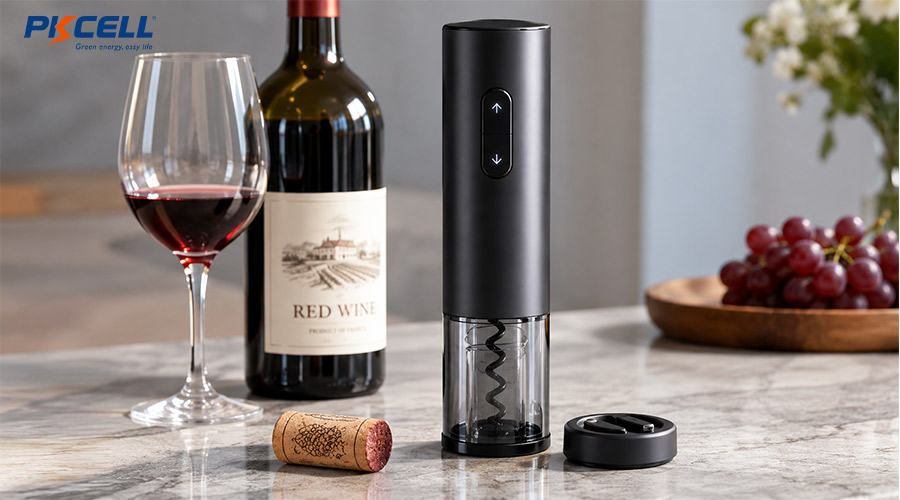
How Many Bottles Can an Electric Wine Opener Open per Charge?
There is no single bottles-per-charge figure that applies to every electric wine opener. Some manufacturers advertise several dozen openings after a full charge, but those figures should be treated as product-specific claims rather than a universal battery standard.
For example, a manufacturer might advertise 30 or 60 bottles per charge. These are illustrative examples of marketing claims, not verified performance figures for a particular model or PKCELL battery.
The actual number depends on the complete appliance, including its motor, gearbox, battery, control electronics and the resistance of the corks being removed.
Why Different Wine Openers Have Different Ratings
Battery capacity is only part of the explanation. A wine opener with an efficient motor and mechanical drive may complete an opening cycle using less energy than another product with a similar battery.
Some openers also perform two powered actions: driving the corkscrew into the cork and reversing the mechanism to release the cork. Both actions contribute to the total energy consumed during operation.
A useful comparison therefore looks at completed opening cycles rather than simply comparing the battery’s milliamp-hour rating.
What Affects Bottles per Charge?
Every cork creates a slightly different operating condition. The battery must supply power while the corkscrew enters the cork and while the opener pulls it from the bottle.
| Factor | Effect on battery use | Practical consideration |
|---|---|---|
| Cork material | Natural and synthetic corks may create different resistance. | Compare results using representative cork types. |
| Cork tightness | A tightly fitted cork may require greater effort or more operating time. | Do not assume every bottle requires equal energy. |
| Motor and gearbox | Efficiency affects how much electrical energy is needed for each opening. | Evaluate the complete appliance, not just the battery. |
| Battery condition | An aged or partially charged battery may deliver fewer successful openings. | Compare new and used battery performance. |
| Operating conditions | Temperature and repeated operation can influence performance. | Test under realistic indoor and hospitality conditions. |
Cork Resistance Matters More Than Bottle Count Alone
Opening ten bottles with relatively loose corks may require less energy than opening ten bottles with unusually tight corks. This is why two users can experience different battery endurance even when using the same wine opener model.
If the opener slows noticeably or fails to remove a tight cork, the cause may be mechanical resistance, low battery voltage or a protection-related shutdown. It does not automatically mean the battery has reached the end of its service life.
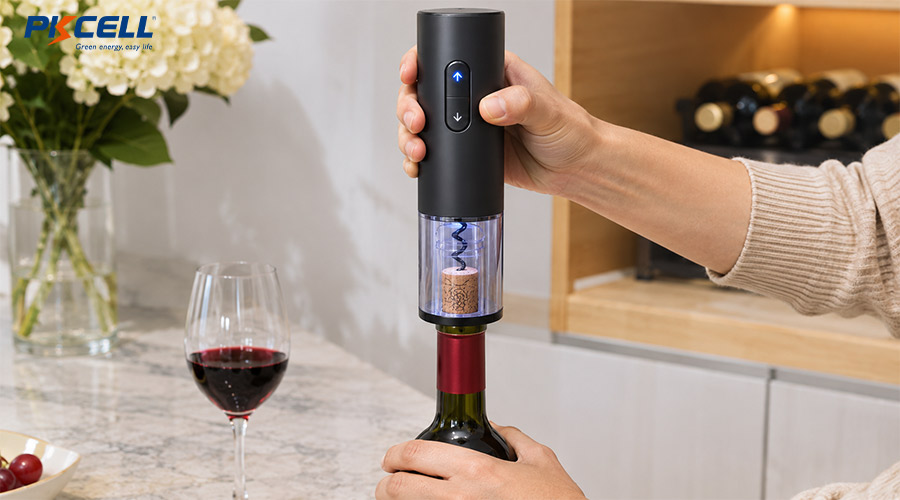
How to Compare Electric Wine Opener Battery Performance
A simple bottles-per-charge test can provide more useful information than a battery capacity figure alone.
- Fully charge the opener: Use the approved charger and follow the manufacturer’s charging instructions.
- Choose representative bottles: Include the cork types the product is intended to handle.
- Use a consistent opening procedure: Complete the normal cork insertion, removal and release sequence.
- Record successful openings: Count only cycles that remove the cork as intended without manual assistance.
- Note the endpoint: Record whether operation stopped because of low battery, overheating, excessive cork resistance or another cause.
For product testing, repeat the procedure across multiple units. The result should identify the cork types, charging conditions and test endpoint rather than presenting a bottle count without context.
Does a Larger Battery Always Open More Bottles?
Not necessarily. A compatible battery with greater usable energy may allow additional openings, but increasing battery capacity does not automatically improve the opener’s motor, gearbox or ability to remove difficult corks.
A larger battery also occupies more space inside the handle. Since electric wine openers are designed to be comfortable to hold, overall size and weight remain important considerations.
Rechargeable Battery Options for Electric Wine Openers
Electric wine openers may use different rechargeable battery technologies depending on the product design. Common options for compact consumer electronics include nickel-metal hydride (NiMH) and lithium-ion batteries.
NiMH Batteries
Some rechargeable appliances use NiMH cells arranged in a configuration matched to the motor and charging system. This approach may suit designs built around cylindrical rechargeable cells.
Battery replacements must follow the manufacturer’s specified chemistry, cell arrangement and charging requirements. NiMH and lithium-ion batteries are not interchangeable without appropriate system redesign.
Lithium-Ion and Lithium-Polymer Batteries
Lithium-ion batteries, including lithium-polymer pouch cells, offer alternative form factors for compact rechargeable appliances. Their suitability depends on the opener’s voltage requirements, motor current, available space and charger design.
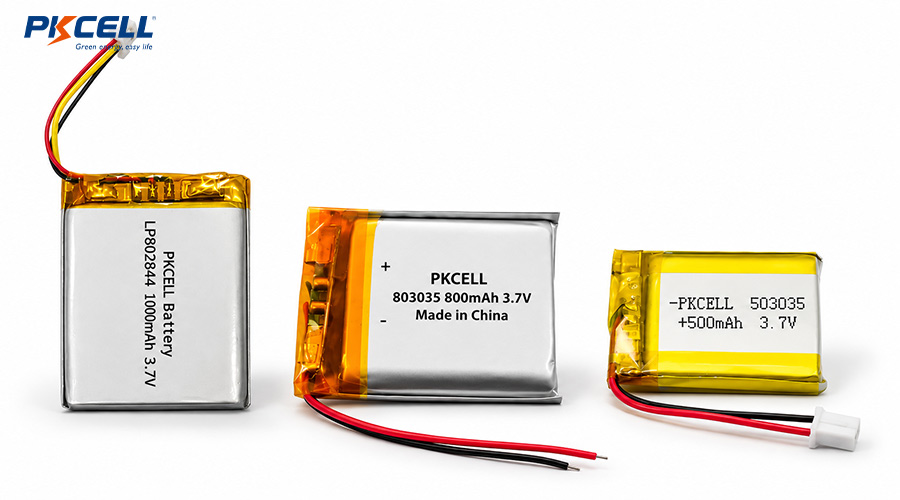
PKCELL provides lithium-polymer battery options in a variety of capacities and dimensions. For example, the 3.7V 500mAh LP503035 lithium-polymer cell illustrates a compact rechargeable format available for evaluation.
This is a battery format reference, not confirmation that the model is suitable for an existing wine opener. Its discharge current, dimensions, electrical connection and charging compatibility must be checked against the actual product.
How to Get More Consistent Performance Between Charges
Daily habits influence how well a rechargeable wine opener performs over time. These practical steps can help maintain a consistent user experience.
- Charge as instructed: Use the designated charger, charging dock or approved power adapter.
- Keep the opener properly aligned: Positioning the device straight over the cork can help avoid unnecessary mechanical resistance.
- Do not force a stalled mechanism: If the opener cannot remove a cork, follow the manufacturer’s instructions instead of repeatedly operating a stalled motor.
- Keep charging contacts clean and dry: Residue or moisture can interfere with charging.
- Store under suitable conditions: Avoid prolonged exposure to excessive heat, moisture and temperatures outside the approved storage range.
For rechargeable lithium-ion designs, charging and storage instructions should follow the specified battery system. The appropriate care procedure may differ for NiMH-based products.
What Happens as the Battery Ages?
Rechargeable batteries gradually change with use and time. As available capacity declines or internal resistance increases, a wine opener may complete fewer successful bottle openings between charges.
One possible sign is that the opener still operates under light load but struggles with a tightly fitted cork. However, a worn mechanism, damaged charging contacts or other appliance faults can produce similar symptoms.
If performance deteriorates, inspect the charging process and mechanical condition before concluding that the battery is defective. Any replacement should meet the original device’s battery specifications.
Battery Considerations for Electric Wine Opener Manufacturers
For businesses developing rechargeable wine openers, battery selection is closely connected to the appliance’s overall size, charging experience and intended bottles-per-charge claim.
Useful project specifications include the operating voltage, expected opening cycles, motor load, battery compartment dimensions, charging method and desired product service life.
PKCELL’s consumer electronics battery solutions cover a variety of portable device applications. Manufacturers requiring a specific size, connection method or battery configuration can also explore custom rechargeable battery pack services.
Before selecting a battery, manufacturers should validate the complete opener under representative cork conditions. Product endurance claims should reflect results from the finished appliance, not theoretical battery capacity alone.
Frequently Asked Questions
How many wine bottles can a rechargeable electric opener open?
The number varies by model and test conditions. Some products advertise several dozen openings per charge, but users should refer to the specific manufacturer’s rating and consider cork resistance, battery age and charging condition.
Why does my wine opener stop before the battery is completely empty?
The opener may stop because of voltage drop under load, mechanical resistance or an internal operating limit. Check the manufacturer’s troubleshooting instructions and avoid forcing a stalled mechanism.
Can I replace my electric wine opener battery with a higher-capacity one?
Only if the replacement meets the device’s electrical, mechanical and charging requirements and is approved for the appliance. Higher capacity alone does not establish compatibility.
Are lithium batteries better than NiMH batteries for wine openers?
Neither chemistry is universally better. The appropriate option depends on device voltage, size, current demand, charging architecture, cost and product design. They should not be substituted for each other without proper engineering evaluation.
Conclusion
Bottles per charge is a useful way to compare electric wine opener performance because it reflects what users actually expect from a rechargeable appliance. However, the number depends on the complete opener, not simply the battery capacity.
Cork resistance, motor efficiency, charging habits and battery aging can all affect the result. For appliance manufacturers, combining realistic opening-cycle tests with compatible rechargeable battery selection is the best way to establish meaningful performance expectations.
Looking for a Rechargeable Battery for a Wine Opener Project?
PKCELL supplies rechargeable battery cells and customized battery pack solutions for compact consumer electronics.
If you are developing an electric wine opener or another small motorized appliance, share your operating voltage, motor current, battery dimensions, charging requirements, target opening cycles and expected order quantity.
Post time: Nov-23-2026


