
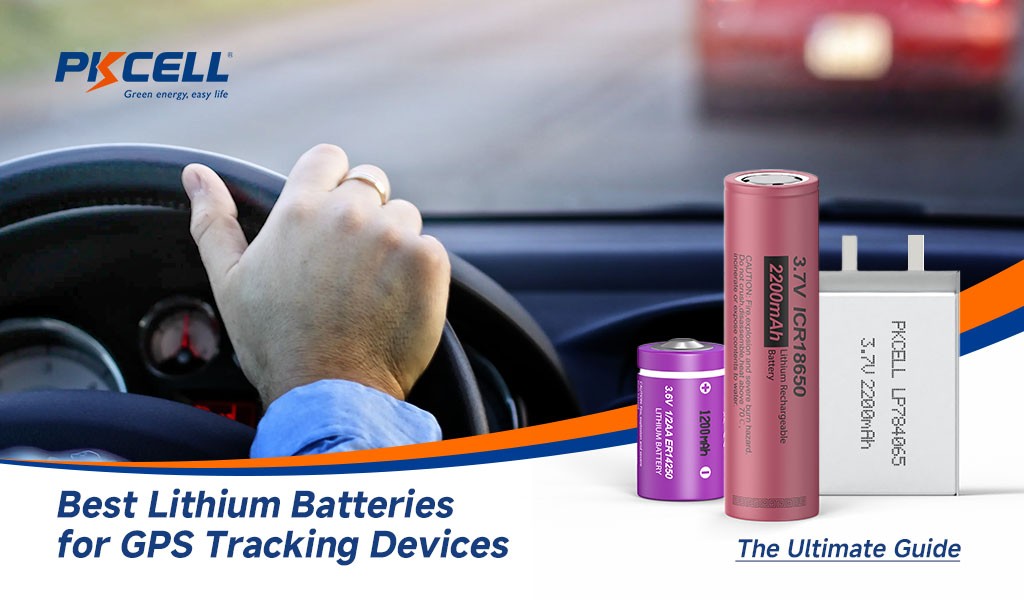
Key Highlights
- Lithium batteries are the best choice for GPS tracking devices because they have high energy density and are lightweight.
- These batteries last a long time, have a low self-discharge rate, and can work well in many different temperatures.
- It is important to pick between primary or rechargeable models of lithium batteries, as things like how long they last and their capacity matter a lot.
- Lithium-ion, lithium polymer, and rechargeable types are most common in GPS devices, with each kind giving its own benefits.
- You get good energy storage and steady performance from reliable brands like PKCELL for your GPS tracker.
Introduction
When you pick a GPS tracking device, the energy storage you use is very important. Lithium batteries are the best for these devices. They are good because they last a long time and give steady power. These batteries are also lightweight, so they do not make your device heavy. The battery life you get with lithium is much better than with other options. That means your GPS trackers can work well even when you use them a lot or put them in tough places. Lithium batteries really help you get the right location data. It is easy to see why lithium leads when people need good energy storage for GPS tracking devices.
Why Lithium Batteries Excel for GPS Trackers
Lithium batteries possess a unique set of advantages that make them perfectly suited to meet the rigorous demands of GPS tracking devices.
High Energy Density & Lightweight
One of the most significant benefits of lithium batteries is their remarkable energy density, which also offers a higher energy density in comparison to other types. This means they can store a substantial amount of electrical energy within a relatively small and lightweight package. For GPS trackers, which often need to be discreet, portable, and non-cumbersome, this attribute is absolutely crucial. A lighter, more compact battery enables the design of smaller, less obtrusive tracking devices, making them easier to conceal or carry. More importantly, its high energy capacity translates directly into longer operational times between charges or replacements, ensuring your tracker stays active for extended periods. This efficiency makes them ideal for modern battery energy storage needs in compact devices that support renewable energy applications.
Long Lifespan & Low Self-Discharge Rate
Lithium batteries boast an impressive operational lifespan, often outperforming traditional alkaline and other battery types by a considerable margin. Furthermore, they exhibit a very low self-discharge rate. This means they retain their charge for extended periods, even when the device is not in active use. This characteristic is particularly vital for GPS trackers that might be deployed in remote, inaccessible locations or used intermittently, like in emergency situations. You can have confidence that your device will retain sufficient power when you need it most, eliminating the need for constant monitoring or frequent, inconvenient battery charger changes.
Wide Operating Temperature Range
GPS trackers are often utilized in highly diverse and challenging environments, ranging from the scorching heat of deserts to the bitter cold of sub-zero tundras. Unlike many other battery chemistries, lithium batteries are engineered to perform consistently and reliably across a much broader spectrum of temperatures. This inherent robustness ensures that your tracking device remains fully operational and accurate, regardless of extreme weather conditions, making them the ideal power solution for outdoor, industrial, and mission-critical applications where environmental resilience is key. This contributes significantly to overall battery performance in varied conditions.
Types of Lithium Batteries Used in GPS Tracking Devices
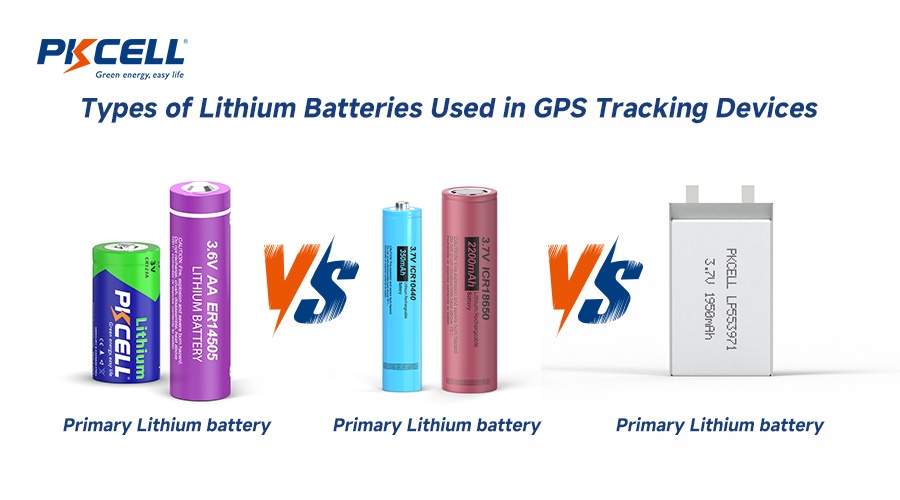
Understanding the different types of lithium batteries can significantly help you make the most informed decision for your GPS tracker.
Primary Lithium battery vs. Lithium-Ion vs. Lithium Polymer
These are the main chemistries you’ll encounter for GPS tracker batteries:
- Primary Lithium Batteries: These are non-rechargeable, single-use batteries. They offer very high energy density and an exceptionally long shelf life, making them ideal for applications where you need power for years without intervention. Common types include Lithium Manganese Dioxide (Li/MnO2) and Lithium Thionyl Chloride (Li/SOCl2). They excel where replacement is difficult or inconvenient.
- Lithium-Ion (Li-ion): These are the most common type of rechargeable lithium cells. They’re known for their high energy density, robustness, and relatively low cost. Li-ion cells typically come in rigid, often cylindrical (like 18650 cells) or prismatic (rectangular) shapes. They’re widely used in consumer electronics. The movement of lithium ions between the cathode and anode through the electrolyte is fundamental to their charging and discharging process, allowing them to deliver high currents when needed for demanding applications.
- Lithium Polymer (Li-Po): Li-Po batteries offer similar energy density to Li-ion cells but utilize a polymer electrolyte, which allows for greater flexibility in design. They can be molded into various thin and custom shapes, making them an excellent choice for extremely slim or irregularly shaped devices where maximizing space is critical. While generally considered safer than Li-ion due to their less volatile electrolyte, they can sometimes be more expensive.
Key Factors When Choosing Lithium Batteries for Your Tracker
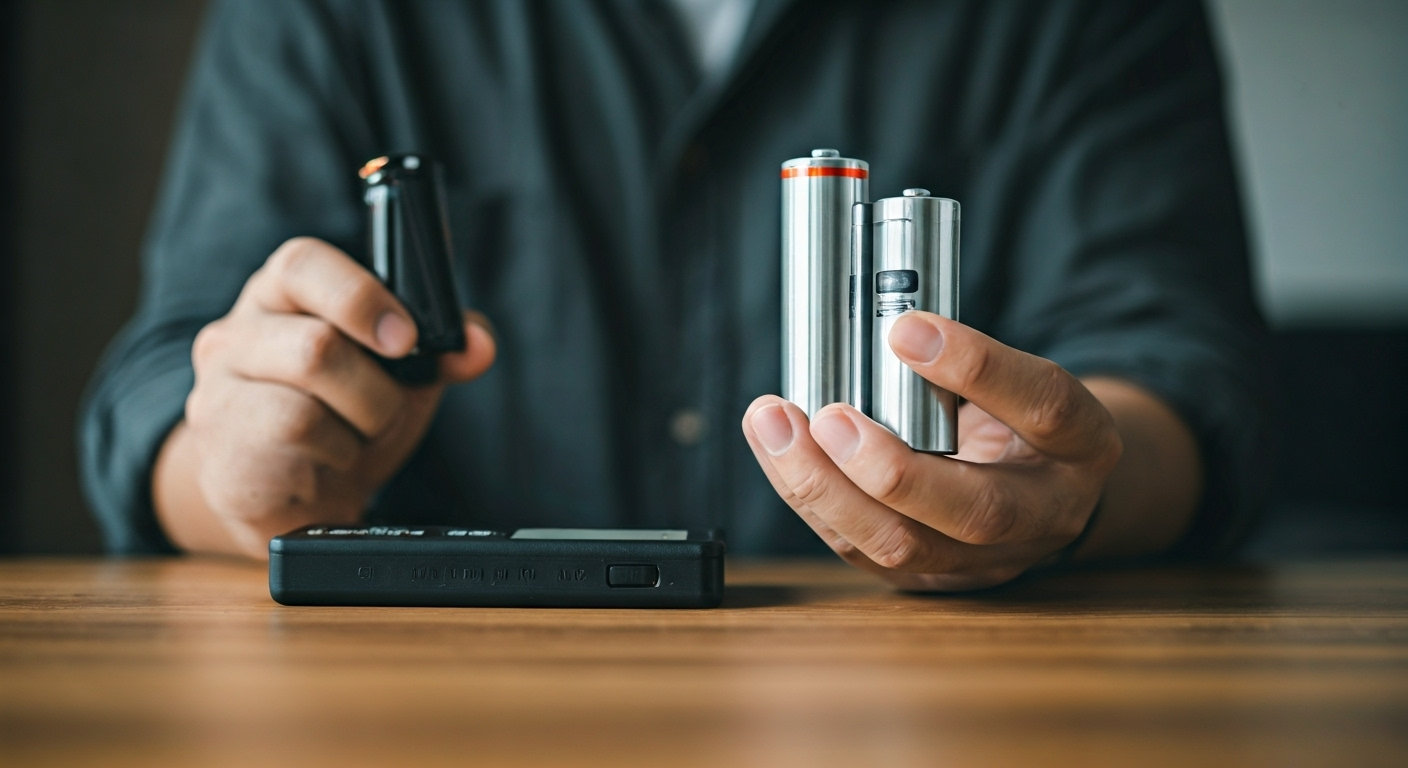 Selecting the optimal lithium battery for your GPS tracker involves more than just picking the first option you encounter. Several crucial factors must be meticulously considered to guarantee perfect compatibility and peak battery performance for your specific device.
Battery Type: Primary vs. Rechargeable
As discussed, this is your first big decision. Evaluate your tracker’s intended use:
- Primary (Non-Rechargeable): Best for “set it and forget it” scenarios, where device access for charging is limited or power is needed for very long periods without intervention. Examples include CR123A (3V, ~1500 mAh) or Li-SOCl2 AA (3.6V, ~2400 mAh, max efficiency), suitable for long-term asset tracking or security sensors.
- Rechargeable: Ideal for frequently used devices, where convenience and long-term cost savings outweigh the initial higher price. Examples include 18650 Li-ion cells (3.7V, 2500-3500 mAh) for vehicle trackers, or Li-Po custom packs (3.7V, capacities from 100mAh to 2000mAh+) often found in compact personal or pet trackers.
Capacity & Runtime
Battery capacity, typically measured in milliamp-hours (mAh), is a direct indicator of how long your GPS tracker will operate before requiring a recharge or replacement. A higher mAh rating generally translates to a longer battery life. For instance, a small Li-Po battery with 500 mAh capacity might power a basic pet tracker for 1-2 days, while a larger 3000 mAh Li-ion battery could keep a vehicle tracker running for several weeks or months on standby. When making your selection, assess your tracker’s power consumption and your expected usage patterns to determine the ideal capacity. For always-on tracking or applications requiring extended monitoring, a higher capacity battery is almost always the preferred choice. This is critical for effective battery energy storage.
Size & Form Factor
GPS trackers come in a wide variety of shapes, sizes, and designs, and their batteries are no exception. It is absolutely essential to ensure that the battery’s physical dimensions (e.g., standard cylindrical sizes like AA, AAA, CR123A, or custom prismatic packs) precisely match the battery compartment of your specific tracker. For ultra-slim personal trackers, a custom-shaped Li-Po battery might be the only option to fit the design. Conversely, many vehicle trackers might utilize standard 18650 Li-ion cells due to their robust capacity and widely available form factor. An ill-fitting battery can lead to poor electrical contact, intermittent device malfunction, or, in severe cases, even physical damage to the tracker.
Voltage Requirements
Battery capacity, typically measured in milliamp-hours (mAh), is a direct indicator of how long your GPS tracker will operate before requiring a recharge or replacement. A higher mAh rating generally translates to a longer battery life. For instance, a small Li-Po battery with 500 mAh capacity might power a basic pet tracker for 1-2 days, while a larger 3000 mAh Li-ion battery could keep a vehicle tracker running for several weeks or months on standby. When making your selection, assess your tracker’s power consumption and your expected usage patterns to determine the ideal capacity. For always-on tracking or applications requiring extended monitoring, a higher capacity battery is almost always the preferred choice. This is critical for effective battery energy storage.
Top Lithium Battery Brands and Their Offerings
The global market for lithium batteries is vast, with numerous brands competing for consumer attention. Choosing a well-established and reputable brand is paramount to ensure you receive a product that delivers on its promises of quality, consistent performance, and, most importantly, safety, especially if you require higher voltage capabilities.
Most Reliable Brands and Models
Several trusted brands lead the way in the lithium battery industry with reliable models. Let’s take a closer look:
- PKCELL: This brand is known for steady energy storage and great discharge.
- Energizer: Many people count on this classic brand for long-lasting GPS trackers.
- Duracell: They offer top lithium choices for times when you need demanding performance.
- Tenergy: This brand stands out by giving good value with their high-capacity models.
All these brands have their own strong points, from fast charging times to longer battery life when used in tough tracker jobs. Picking the right reliable model helps make work in the field good and easy.
Recommended: PKCELL Lithium Batteries for Reliable Tracking
PKCELL is a top choice for GPS tracking device batteries. Renowned for their high-quality primary and rechargeable lithium cells, PKCELL batteries are engineered for consistent, long-lasting power and exceptional reliability across diverse conditions. Their cost-effectiveness and diverse product range—featuring robust cathode materials and optimized electrolyte—ensure you’ll find the perfect, dependable battery solution for your tracker.
Conclusion
To sum up, picking the right lithium battery for your GPS tracking device is very important. It helps you get good performance and reliability from your device. This guide shows why lithium batteries are great because they have good energy density and a long lifespan. It also tells you what to look for when choosing a battery.
No matter if you want a rechargeable or a non-rechargeable battery, you need to make sure the size, capacity, and voltage, including volts, are right for your device. This is key for it to work well. There are brands, like PKCELL, that many people trust. If you want to buy one, you should also ask for quotes. You will find the best options you need. Your GPS tracker will work better and last longer with the right battery.
Frequently Asked Questions
What is the average lifespan of a lithium battery in a GPS tracker?
Lithium batteries that are in GPS tracking devices usually last from three to five years. How long the battery lives can depend on things like how often you use it, how deeply you let it discharge, and the way you use the device each day. The battery will last longer and work better if you take care of it properly over time.
Can I use any lithium battery in my GPS tracking device?
Not every lithium battery will work for GPS devices. You need to check that the battery pack fits, the voltage is right, and the energy storage is enough for your device. If you use a battery that is not made for your device, it can cause problems. The device may not work well, and there could be safety risks.
How do I know when it’s time to replace my GPS tracker battery?
You should get a new battery for your GPS tracker if its runtime goes down a lot. Suppose you see that the discharge takes longer or the voltage drops; that can also be a sign. If you need to charge the device more often, it may mean you need a new battery. Be sure to check how it works every now and then.
Post time: Jul-29-2025


