
Introduction
From tactical flashlights to cordless drills, the 18650 has set the standard. But not all 18650 batteries are created equal. Some cells are optimized for runtime, while others are designed to handle intense current draws. For procurement teams, engineers, and OEM manufacturers, understanding these differences is critical. Choosing the wrong cell can lead to underperformance, overheating, or shorter product lifespans.
This guide explores why 18650s are the go-to option for flashlights and power tools, what technical factors matter most, and how to compare different brands and suppliers for bulk purchasing decisions.
Why 18650 Batteries Are the Standard Choice
High Energy Density for Compact Devices
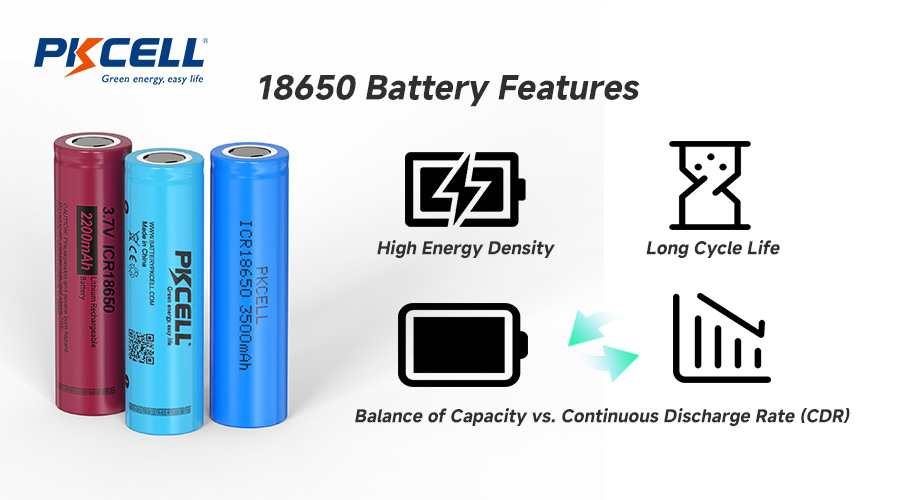
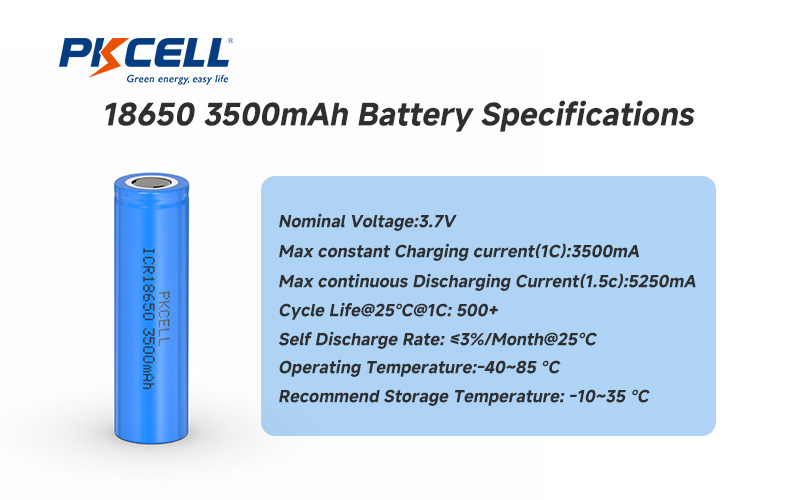
One of the main reasons 18650 batteries dominate is their energy density. Packing up to 3500mAh in a cell just 18mm by 65mm allows product designers to build compact yet powerful devices. For flashlights, this means brighter beams for longer hours. For power tools, it translates into extended operating time without constant recharging.
Long Cycle Life and Reliability
Industrial buyers and engineers look beyond initial performance. They care about how many cycles a cell can withstand before its capacity drops significantly. High-quality 18650 cells often last 300–500 cycles under proper conditions, making them suitable for demanding environments where downtime is costly.
Balance of Capacity vs. Continuous Discharge Rate (CDR)
Every application has a trade-off. A flashlight technician may prioritize higher capacity, while a power tool designer needs higher discharge rates. The beauty of 18650 cells is the variety available: some optimized for 10A continuous drain, others capable of sustaining 30A. This flexibility ensures that engineers can select the right balance.
Key Performance Factors to Consider
Continuous Discharge Rate (CDR) vs. Pulse Discharge
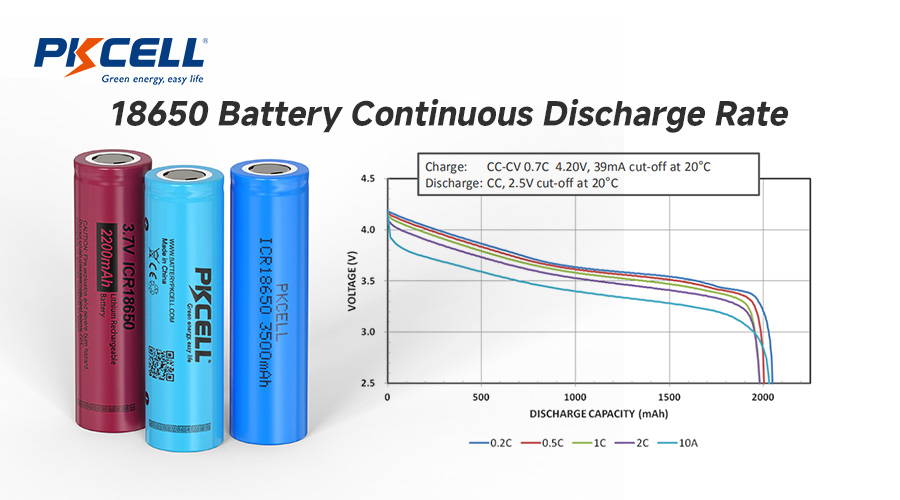
The CDR defines how much current a battery can safely deliver without overheating. For flashlights, 10A may be enough. For drills or grinders, cells with 20A–30A CDR are preferred. Pulse discharge ratings, which allow short bursts of higher current, are useful in devices with intermittent heavy loads. Procurement specialists should always verify whether advertised ratings are tested under real conditions.
Capacity Ratings and Runtime for High-Drain Applications
Capacity is measured in milliampere-hours (mAh). A 3500mAh cell can provide longer runtime but often sacrifices maximum current output. In contrast, a 2500mAh high-drain cell delivers shorter runtime but can power demanding devices. Engineers must match capacity to the product’s duty cycle: a flashlight used continuously for 4–6 hours may need high capacity, while a drill used in short bursts requires high drain.
Safety Features and Cell Construction Quality
In industrial and commercial settings, safety is non-negotiable. High-quality 18650 cells include built-in safeguards such as pressure relief vents, shutdown separators, and overcharge protection. For B2B buyers, choosing suppliers who follow IEC or UL standards ensures reliability and minimizes liability risks.
18650 Batteries for Flashlights
Importance of High-Drain Cells in Tactical and Industrial Flashlights
Flashlights used by police officers, maintenance teams, or miners must deliver consistent brightness. These devices often draw more current than casual consumer flashlights. High-drain 18650 cells ensure the LED maintains peak performance without dimming prematurely.
Recommended Battery Specs for Professional Flashlight Use
- Capacity Range: 3000–3500mAh for longer runtime
- Discharge Rate: 10A–15A CDR to support high lumen output
- Recharge Cycles: Minimum 300 cycles under standard use
Examples of Reliable Models and Their Performance
- PKCell ICR18650: Balanced option for both runtime and performance.
- Sony VTC6 : Popular among flashlight manufacturers for consistent output.
- LG HG2: Slightly higher discharge tolerance, ideal for tactical gear.
Quote for PKCell 18650 3500mAh Battery
18650 Batteries for Power Tools
Why Power Tools Require High-Discharge 18650 Cells
Cordless drills, saws, and grinders demand rapid bursts of energy. If the battery can not supply sufficient current, the tool stalls or overheats. High-discharge cells ensure consistent torque and longer tool lifespan.
Battery Pack Configurations for Cordless Tools
Most power tool packs are built using multiple 18650 cells in series-parallel configurations. Engineers must select cells with high CDR to prevent overheating across the pack. OEMs often prefer cells with slightly lower capacity but higher discharge ratings to ensure stability.
Comparison of Top Brands Used in Power Tool Packs
- Sony VTC5A: Reliable for continuous heavy-duty use.
- Samsung 25R: Widely adopted in industrial-grade power packs.
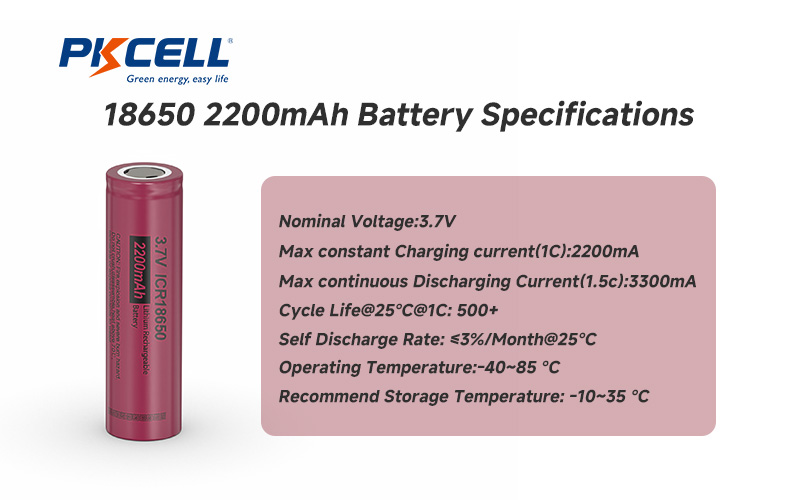
- PKCell ICR18650: Known for balancing cost and discharge capability.
Quote for PKCell 18650 2200mAh Battery
Comparing Different 18650 Battery Brands & Models
High-Capacity Cells (≥ 3000mAh) for Longer Runtime
Best suited for devices like flashlights, medical instruments, and sensors that require longer operating hours rather than extreme bursts of power.
High-Discharge Cells (≥ 20A CDR) for Performance Tools
Essential for cordless power tools, e-bikes, and other applications where torque and power delivery outweigh runtime.
Industrial-Grade vs. Consumer-Grade Cells
Consumer-grade cells may work for hobbyists but often lack the rigorous testing required in professional applications. Industrial-grade 18650s undergo strict QC processes, ensuring consistent performance in bulk orders. For B2B buyers, the difference translates into fewer product failures and better customer satisfaction.
Choosing the Right 18650 Supplier for B2B Needs
Quality Certifications and Testing Standards
Look for suppliers that provide certification such as UL, IEC, or UN38.3 compliance. These certifications validate safety under shipping, charging, and operational stress.
Consistency in Bulk Supply and OEM Support
For manufacturers and distributors, consistent supply is as important as technical performance. A reliable supplier maintains inventory, offers OEM branding, and provides technical support for integration.
Cost Considerations for Long-Term Procurement
While high-performance cells may cost more upfront, they often reduce long-term expenses by extending device lifespan and minimizing replacement cycles. For procurement managers, total cost of ownership (TCO) is a better metric than unit cost.
Why Choose PKCELL As Your B2B 18650 Battery Supplier?
PKCELL is a reliable B2B supplier with over 20 years of experience delivering high-quality 18650 lithium-ion batteries for industrial and commercial applications. Our 18650 cells offer high energy density, long cycle life, and stable performance—ideal for energy storage systems, e-bikes, power tools, and backup power solutions. We specialize in serving OEMs, distributors, and large-scale projects with consistent quality, competitive bulk pricing, and custom battery pack options. All PKCELL batteries are produced under strict quality control and certified to ISO9001, CE, and RoHS standards. Choose PKCELL for dependable 18650 battery supply that keeps your business running strong.
Conclusion
The 18650 battery has cemented its place in professional equipment due to its unique balance of capacity, discharge rate, and durability. For flashlights, high-capacity cells deliver extended runtime with steady output. For power tools, high-discharge cells provide the raw power needed for demanding tasks.
B2B buyers—whether engineers designing new products or procurement specialists sourcing bulk cells—must consider not just technical specifications but also supplier reliability and certification standards. Making the right choice ensures performance, safety, and long-term cost savings.
FAQs
Q1: What is the difference between high-capacity and high-drain 18650 batteries?
High-capacity cells (e.g., 3500mAh) offer longer runtime but lower discharge rates, ideal for flashlights. High-drain cells (e.g., 2500mAh, 25A CDR) deliver more current for power tools but with shorter runtime.
Q2: Can I use the same 18650 battery for both flashlights and power tools?
Not recommended. Flashlights work best with higher capacity cells, while power tools demand high-discharge cells. Using the wrong type may cause overheating or poor performance.
Q3: How long do 18650 batteries last in professional use?
Typically 300–500 charge cycles, depending on quality and application. Industrial-grade cells often perform better than consumer-grade alternatives.
Q4: What certifications should I check before buying 18650 batteries in bulk?
Look for UL, IEC, and UN38.3 certifications to ensure compliance with international safety and transport standards.
Q5: Why should B2B buyers avoid cheap, unbranded 18650 batteries?
Unbranded cells often exaggerate capacity claims and lack safety features. For bulk procurement, they lead to inconsistent quality, device failures, and higher replacement costs.
Post time: Aug-19-2025


