
Key Highlights
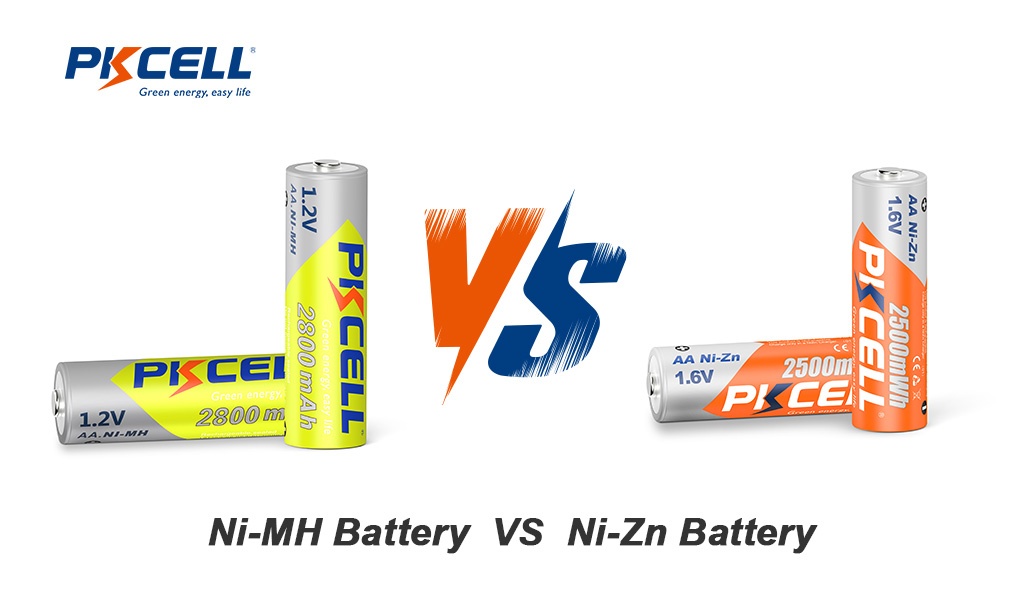
- A quick comparison of Ni-MH and Ni-Zn batteries reveals their suitability for portable and electronic devices.
- Ni-MH batteries excel with their reliable performance, broad compatibility, and higher energy density.
- Ni-Zn batteries stand out for their high voltage, quicker charge rates, and reduced memory effect.
- The blog features a detailed comparison of these batteries, examining voltage, cycle life, and environmental impact.
- Practical advice is offered on selecting the best battery for various needs, including flashlights and electric vehicles.
- PKCELL offers reliable options for both Ni-MH and Ni-Zn batteries, catering to diverse power needs.
Introduction
Choosing the right battery is important if you want your device to work the best it can. Nickel-Metal Hydride (NiMH) batteries and Nickel-Zinc (Ni-Zn) batteries are two big choices when you want a rechargeable battery. Each one has strengths and some things that are not as strong. NiMH batteries are trusted because they are used in many things and are strong over time, and their performance can depend on the battery’s state of charge. People sometimes compare them to lithium ion batteries. On the other hand, Ni-Zn batteries give high voltage, so they work well in certain devices. If you learn about the metal hydride inside them, how they work, and what they are used for, you can make a good choice for any portable devices, tech tools, or gadgets that need rechargeable power.
Understanding Ni-MH Batteries: The Reliable Workhorse
What are Ni-MH Batteries?
Nickel-Metal Hydride (NiMH) batteries are well known for the wide range of ways people use them. You can recharge these batteries again and again. These NiMH batteries use nickel oxide hydroxide (NiOOH) for the positive side. The negative side is made from a metal hydride that soaks up hydrogen. Potassium hydroxide acts as the electrolyte. This helps the battery work by carrying out needed chemical reactions inside. Ni-MH batteries are a well-established rechargeable technology, representing a significant improvement over their Ni-Cd (Nickel-Cadmium) predecessors. They utilize a hydrogen-absorbing alloy for the negative electrode and nickel oxyhydroxide (NiOOH) for the positive electrode. This chemistry allows them to store a substantial amount of energy, making them a common sight in consumer electronics. Crucially, Ni-MH batteries are cadmium-free, making them a more environmentally friendly option compared to older battery types.
Why Choose Ni-MH? Key Advantages:
Ni-MH batteries have earned their reputation as a reliable workhorse for several good reasons:
- High Capacity: They offer impressive energy storage, providing long runtimes for your devices.
- Wide Availability & Compatibility: Ni-MH batteries are ubiquitous and generally compatible with a vast array of devices and standard Ni-MH chargers already on the market. Their 1.2V nominal voltage is widely accepted.
- Versatile Performance: They perform well across a broad spectrum of devices, from low-drain items like clocks and remote controls to more demanding gadgets like digital cameras.
- Proven Reliability & Long Cycle Life: As a mature technology, Ni-MH batteries boast a long track record of consistent performance and can withstand 500 to over 1000 charge cycles, offering excellent long-term value.
- Improved Low Self-Discharge (LSD) Types: Modern Ni-MH batteries, often labeled “LSD Ni-MH” or “pre-charged,” significantly reduce the issue of self-discharge, meaning they retain their charge for much longer when stored.
Ni-MH Battery Considerations: Key Limitations & Notes
Even though NiMH batteries have some good points, you should know about a few problems before you choose them.
- Memory Effect: This is less common now, but if you do not let the battery fully run down before charging again, you might see a drop in how much power it can hold after a while.
- Lower Voltage: Their normal voltage of 1.2V is lower than that of alkaline batteries. Some devices made for higher voltage may not work as well with these nimh batteries.
- Self-Discharge Rates: NiMH batteries can lose their charge pretty quickly, especially if you leave them out and it is warm.
- Moderate mAh Capacity: NiMH may not power very demanding devices as well as lithium batteries with higher mAh might.
Also, when you charge nimh batteries, you often need a special way to charge them so you do not overcharge. Charging too much can make the cycle life and performance worse. Still, their good price and a long cycle life make nimh batteries a good pick for many people, even with some temperature problems and the need for care every now and then.
Common Applications
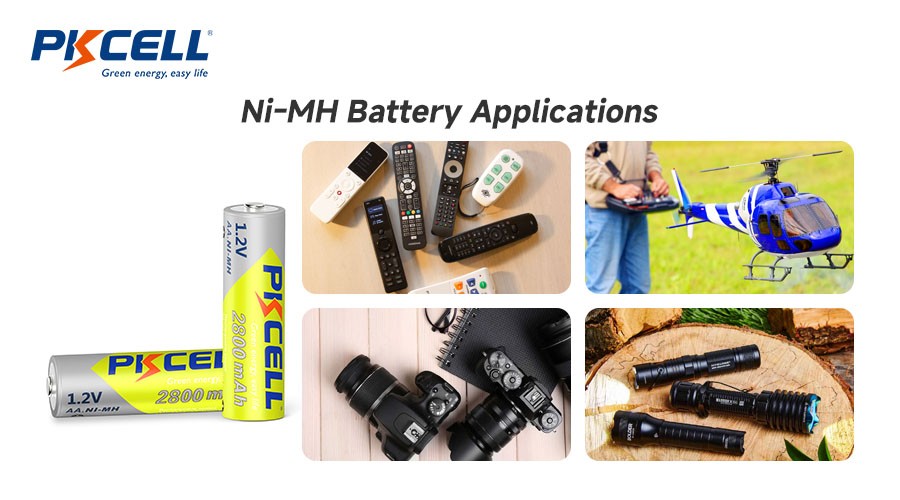
NiMH batteries, including Panasonic options, are used to power many different devices, from things we use every day to special tools.
- Electronic Devices: You will find NiMH batteries in remote controls, cordless phones, and wireless keyboards.
- Digital Cameras: Their stable voltage helps a person take many photos without changing the battery.
- Hybrid Vehicles: Cars like the Toyota Prius or Honda Insight use these batteries because they last a long time.
- Rechargeable Household Gadgets: These batteries work in toys, flashlights, and electric shavers.
- Consumer Products: NiMH cells give high power to things like portable drills and handheld vacuum cleaners.
NiMH batteries and NiMH cells have the adaptability to fit into many industries and come in different sizes. They are a practical choice, so people and companies use them for many needs. They work well, cost less, and are reliable for all these uses.
Exploring Ni-Zn Batteries: The High-Voltage Contender
What are Ni-Zn Batteries?
Ni-Zn batteries represent a newer, intriguing alternative in the rechargeable battery landscape. Unlike Ni-MH, they feature a nickel hydroxide positive electrode and a zinc negative electrode in an alkaline electrolyte. Their key differentiator is their higher nominal voltage per cell, making them an excellent contender for devices traditionally powered by single-use 1.5V alkaline batteries.
Why Choose Ni-Zn? Key Advantages:
Ni-Zn batteries shine in specific scenarios, primarily due to their unique voltage profile and power delivery:
- Higher Voltage Output: At 1.6V or 1.65V per cell, Ni-Zn batteries closely match the initial voltage of a fresh 1.5V alkaline battery. This makes them an ideal rechargeable replacement for many devices designed with alkaline batteries in mind, potentially offering improved performance.
- Excellent for High-Drain Devices: Ni-Zn batteries boast very low internal resistance, allowing them to deliver high currents efficiently. This makes them perfectly suited for power-hungry devices that demand quick bursts of energy.
- No Memory Effect: Unlike older Ni-MH or Ni-Cd batteries, Ni-Zn batteries are entirely free from the memory effect, offering complete flexibility in charging habits.
- Environmentally Friendly: Similar to Ni-MH, Ni-Zn batteries are designed to be more eco-conscious, being free from cadmium, mercury, and lead.
Ni-Zn Battery Considerations: Key Limitations & Notes
Despite their advantages, Ni-Zn batteries come with specific considerations:
- Dedicated Charger Required: This is a crucial point. Ni-Zn batteries cannot be charged with standard Ni-MH chargers. Their higher voltage requires a specific charging protocol to prevent overcharging and potential damage to the battery.
- Shorter Cycle Life (Generally): While improving with technology, Ni-Zn batteries typically offer a shorter cycle life (around 200-500 cycles) compared to Ni-MH, depending on the brand and usage patterns.
- Lower Market Availability & Higher Initial Cost: As a newer technology, Ni-Zn batteries and their dedicated chargers are less common in retail stores and might have a slightly higher upfront cost than Ni-MH.
Ideal Applications
Ni-Zn batteries are best deployed in devices that specifically benefit from their higher voltage and high current delivery. This includes electric shavers, high-powered RC toys, gaming controllers, certain medical devices, and LED flashlights that require strong, consistent illumination.
Head-to-Head: Ni-MH vs. Ni-Zn Battery Comparison
To give you a clearer picture, here’s a direct comparison of the key features of Ni-MH and Ni-Zn batteries:
| Feature | Ni-MH Battery | Ni-Zn Battery |
| Nominal Voltage | 1.2V | 1.6V / 1.65V |
| Energy Density | High | High (often slightly more compact) |
| Self-Discharge | Higher (LSD types significantly improved) | Lower (similar to LSD Ni-MH) |
| Memory Effect | Minor (in modern batteries) | None |
| Charger Type | Standard Ni-MH Charger | Dedicated Ni-Zn Charger Required |
| Cycle Life | 500-1000+ cycles | 200-500 cycles (variable) |
| Internal Resistance | Moderate | Very Low (ideal for high-drain) |
| Cost | Generally lower | Slightly higher, but decreasing |
| Common Uses | General electronics, cameras, and remote controls | High-drain devices, toys, and power tools |
| Environmental | Cadmium-free, recyclable | Cadmium, Mercury, Lead-free, recyclable |
Making Your Choice: Factors to Consider
Deciding between Ni-MH and Ni-Zn batteries boils down to a few critical factors tailored to your specific needs.
Device Compatibility & Performance Needs:
- Voltage is Key: Does your device explicitly benefit from or require a voltage closer to 1.5V (like Ni-Zn’s 1.6V/1.65V)? Or is it perfectly happy with the standard 1.2V of Ni-MH? Always check your device’s manual.
- Power Consumption: For high-drain devices that demand quick, powerful bursts of energy, Ni-Zn’s low internal resistance makes it a strong contender. For most general electronics or low-to-moderate drain devices, Ni-MH will suffice.
- Desired Recharge Cycles: If you prioritize the absolute maximum number of recharges over the battery’s lifespan, Ni-MH often has the edge.
Cost & Charging Logistics:
- Initial Investment: Consider the upfront cost of the batteries themselves, and if opting for Ni-Zn, factor in the additional cost of a dedicated Ni-Zn charger.
- Charger Availability: If you already own a standard Ni-MH charger, sticking with Ni-MH batteries might be more convenient. For Ni-Zn, you’ll need to purchase a specific compatible charger.
Recommended Choice: Powering Up with PKCELL Batteries
When selecting reliable rechargeable batteries, choosing a reputable manufacturer is crucial. PKCELL batteries are an excellent option for both your Ni-MH and Ni-Zn needs. PKCELL has built a strong reputation for producing high-quality batteries that deliver consistent performance and adhere to industry standards. Whether you need versatile Ni-MH batteries for everyday gadgets or powerful Ni-Zn cells for high-drain devices, PKCELL offers a comprehensive range designed to meet diverse power requirements. We recommend exploring PKCELL’s official website or authorized distributors to find the specific batteries that perfectly match your device specifications and usage scenarios.
Conclusion
In the end, picking between nickel metal hydride and nickel zinc batteries depends on what you need, such as the use case, energy density, and how they perform. Nickel metal hydride batteries are good because they last for more cycles and have higher energy density. This makes them great for electronic devices and hybrid vehicles. Ni-Zn batteries are more lightweight and have a good charge rate. You should look at all these things to make sure you get the right power solution for your own energy needs.
Still unsure which battery chemistry suits your device best? Schedule a free consultation with our battery experts to get tailored advice.
Frequently Asked Questions
Which battery type is better for high-drain electronics?
When you need a battery for high-drain electronics, Ni-Zn batteries can be a better choice than Ni-MH. They have higher voltage and energy density, so they work well in tough jobs. But, you should also think about the maximum charge voltage and if the battery will work with your device, and what you need from it before you pick one.
Are Ni-Zn batteries safe to use in devices designed for Ni-MH?
Ni-Zn batteries can be used in the same devices made for Ni-MH and NiCd batteries, but you should be careful. These batteries may not give you the same level of performance or safety. Always check the device details and what the maker says before using it. This will help make sure that Ni batteries are the right fit and stop any possible damage.
How do Ni-MH and Ni-Zn batteries perform in extreme temperatures?
Ni-MH batteries often lose some of their power in very cold weather. On the other hand, Ni-Zn batteries can work better across different temperatures. But both types, Ni-MH and Ni-Zn, can have lower performance and a shorter life if they are used in very tough conditions. So, it is important to pick the right Ni battery for the place you plan to use it.
Are NiMh batteries less dangerous than Li-ion batteries?
Yes, Ni-MH batteries are generally considered less dangerous than Li-ion batteries. They are more stable and less prone to thermal runaway, which can lead to fires or explosions. Additionally, Ni-MH batteries are less toxic and have a lower environmental impact, making them a safer choice for many applications
Post time: Jul-17-2025


