
Key Highlights
- LiFePO4 batteries offer long life and robust performance.
- Proper storage is vital to maximize their lifespan.
- Store your battery at 50-70% State of Charge (SoC) for optimal health.
- Maintain a cool, stable temperature (0°C to 30°C / 32°F to 86°F) for storage.
- Always disconnect all loads and perform periodic checks.
- PKCELL provides reliable LiFePO4 battery solutions for lasting power.
Introduction
LiFePO4 (Lithium Iron Phosphate) batteries have become the go-to choice for reliable, long-lasting power in countless applications – from RVs and marine setups to solar panels and solar energy systems, off-grid cabins, and backup power needs. Their durability and safety profile make them a fantastic investment. However, even the best batteries can suffer from improper care, especially during periods of storage. This guide will walk you through the essential steps and best practices for storing your LiFePO4 batteries to ensure they deliver maximum longevity and efficiency, safeguarding your investment for years to come.
Why Proper LiFePO4 Storage Matters
Neglecting proper storage can significantly shorten your LiFePO4 battery’s life and diminish its performance.
- Longevity: Incorrect storage, particularly extreme temperatures or unsuitable charge levels, can accelerate the chemical degradation within the battery cells. This leads to a reduced overall lifespan and fewer usable cycles.
- Performance: A poorly stored deep cycle battery may not deliver its rated capacity or maintain consistent voltage, impacting the efficiency of your powered devices.
- Safety: While LiFePO4 chemistry is inherently safer than other lithium types, extreme conditions or severe mishandling during storage can still pose risks, such as swelling or reduced stability upon reactivation.
- Cost-Effectiveness: Extending your battery’s life through proper storage directly translates to saving money by avoiding premature replacements.
The Golden Rules of LiFePO4 Storage
Following some simple steps will help keep your LiFePO4 battery reliable. You should keep your lithium battery type charged at the right level. Store it in a clean and dry place. This will help your battery keep working well.
Optimal State of Charge (SoC) for Storage
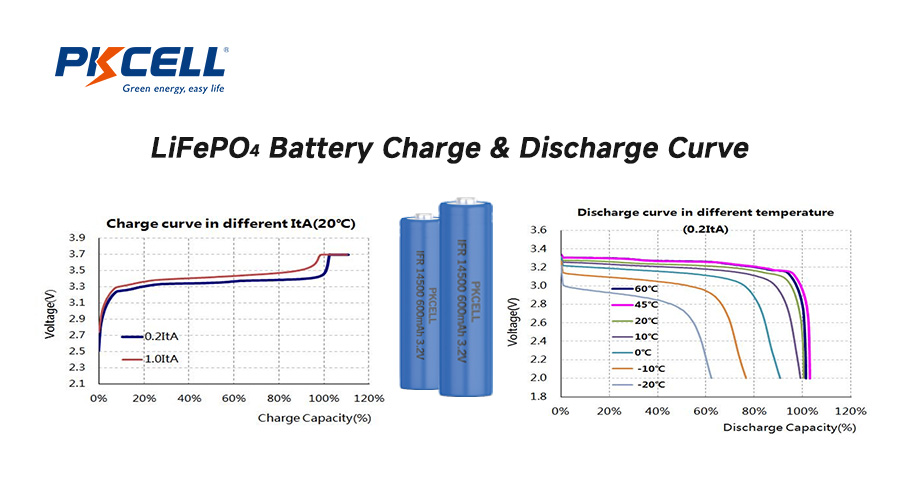
For long-term storage (more than a few weeks), the ideal State of Charge (SoC) for a LiFePO4 battery is between 50% and 70%.
- Why not 100%? Storing at full charge (high voltage) puts unnecessary stress on the cells, which can accelerate degradation over many months.
- Why not 0%? A fully discharged battery can enter an “over-discharge” state if left too long. This can cause irreversible damage and prevent the battery from being recharged. LiFePO4 batteries have a very low self-discharge rate (typically 1-3% per month), but even this slow drain can eventually lead to critical voltage levels if stored empty.
Ideal Temperature Conditions
Temperature control is very important when you store LiFePO4 batteries. To stop them from getting damaged, keep them between 15°C and 25°C (60°F–80°F). Staying in this range cuts down on chemical changes that happen with high temperatures or cold.
Key things to think about for temperature:
- Store the batteries in places that stay at a steady temperature, like climate-controlled rooms or insulated boxes.
- Keep them away from changing grid temperatures or direct sunlight.
- Look out for any signs that the batteries are under stress from heat or cold.
These batteries are made to handle hard use, but the right storage temperatures help make them last even longer. This is helpful for off-grid living or camping trips. Next, we will talk about why it helps to disconnect the battery when storing it.
Disconnecting and Isolating the Battery
Proper disconnection helps stop battery aging when you store it. Keeping the wiring and voltage sources apart does not put extra stress on the battery management system (BMS).
To disconnect the right way before you store the battery:
- Turn off all devices that are powered by the battery. This will stop all active cycles.
- Unhook the battery terminals and fully separate the battery from every electric source.
- Check the voltage and also the charge level, making sure the battery has its best SoC.
These steps help your battery rest well and let the strong design last longer. The important next step is to do regular checks to be sure the battery performs well.
Regular Check-ups
For extended storage periods (e.g., over 3-6 months), it’s wise to perform periodic checks.
- Check SoC: Use a battery monitor or voltmeter to check the battery’s voltage/SoC every 3-6 months.
- Top-Off if Needed: If the SoC has dropped significantly (e.g., below 40-50%), give it a brief charge to bring it back into the 50-70% storage range. This prevents critical over-discharge.
- Visual Inspection: While checking SoC, quickly inspect the battery for any signs of physical damage, swelling, or corrosion on the terminals.
Preparing Your LiFePO4 Battery for Storage
For extended storage periods (e.g., over 3-6 months), it’s wise to perform periodic checks.
- Check SoC: Use a battery monitor or voltmeter to check the battery’s voltage/SoC every 3-6 months.
- Top-Off if Needed: If the SoC has dropped significantly (e.g., below 40-50%), give it a brief charge to bring it back into the 50-70% storage range. This prevents critical over-discharge.
- Visual Inspection: While checking SoC, quickly inspect the battery for any signs of physical damage, swelling, or corrosion on the terminals.
What to Avoid During LiFePO4 Storage
Steer clear of these common mistakes to protect your battery:
- Storing Fully Charged or Fully Discharged: This is the most common cause of premature degradation.
- Extreme Temperatures: Don’t leave batteries in uninsulated garages or sheds where temperatures can soar or plummet.
- Connecting Loads: Never leave devices connected during long-term storage.
- Humid or Wet Environments: High humidity can lead to terminal corrosion and internal issues.
- Direct Sunlight: Avoid direct exposure, which can cause the battery to overheat significantly.
Choosing Your Power Partner: Why PKCELL LiFePO4 Batteries?
When investing in LiFePO4 batteries, choosing a reputable manufacturer is as important as proper storage. PKCELL is a well-established name in the battery industry, offering a range of reliable power solutions with watt capabilities, including LiFePO4 chemistry.
PKCELL batteries are designed with features that contribute to longevity and safety, complementing your storage efforts. They focus on manufacturing quality, which translates to a stable and consistent performance. By choosing a reputable provider like PKCELL, you’re not just buying a battery; you’re investing in a product designed for durability and backed by manufacturing expertise, making your commitment to proper storage even more impactful. Their commitment to quality ensures that when you follow these storage guidelines, you’re maximizing the life of a battery built to last.

Conclusion
To sum up, to get the most out of your LiFePO4 battery and help its lifespan, you need to know what affects it and follow good storage tips. Keeping the battery at the right charge level, storing it in the proper temperature, and checking it often all help the battery last longer. Also, it’s important to avoid mistakes when putting your battery away. Doing these things can keep your battery working better for more time. Picking a trusted power partner like PKCELL gives you solid products including AC-DC options and support, so you know you will get help with your energy needs. If you want to find out more about making your battery last longer, you can get a free consultation with our experts at any time.
Frequently Asked Questions
How long can I safely store a LiFePO4 battery without use?
You can keep a LiFePO4 battery stored for up to a year if you do not want to use it. It should stay at a moderate state of charge and be kept away from very hot or cold places. It is good to check the battery status from time to time. This helps to keep its lifespan longer and will make sure it is ready when you need it.
Can I store my LiFePO4 battery fully charged?
You should not keep your LiFePO4 battery fully charged all the time . It is better to store it at about 50-60% SoC. This way, the battery parts last longer. The charging process, like this, puts less strain on the battery and allows the use of a generator, if needed. It helps keep good energy density for a long time.
What are signs my LiFePO4 battery is aging or failing?
Key signs to look for are lower battery capacity, lower voltage, and a charging process that seems slower than before. When you see these things happen often, it could mean the cycle life of the battery is coming to an end. You should check your energy storage often. This can help you spot any issues early with charging, voltage, or how well the battery works.
Post time: Jul-11-2025


