
Key Highlights
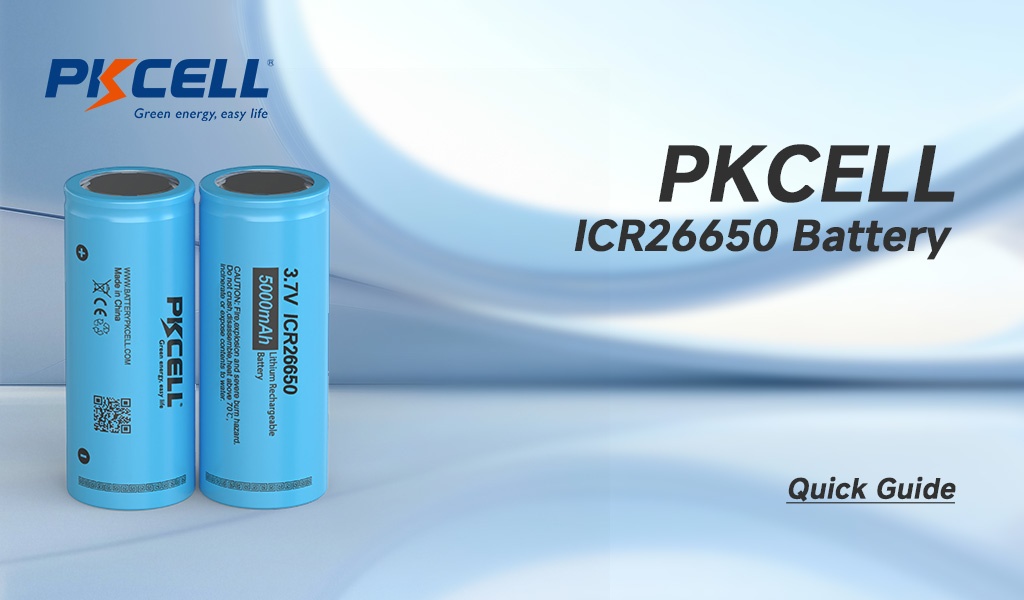
- The ICR26650 lithium-ion battery offers a nominal voltage of 3.7V and a capacity range of up to 5000mAh, making it a reliable energy source.
- These batteries boast excellent cycle life, often exceeding 500 charge-discharge cycles under optimal conditions.
- They support fast charging and provide a stable discharge rate, making them ideal for various applications.
- A wide operating temperature range (-40°C to 85°C) ensures durability in extreme environments.
- Fully customizable battery packs with different terminations like connectors suit unique application requirements.
- PKCELL ICR26650 batteries offer a reliable and high-performance option for your devices.
Introduction
The ICR26650 battery is a strong part of the lithium-ion group. You will find it in many consumer electronics and green energy systems. This battery stands out because it offers great power for its size, lasts a long time, and charges quickly. You can use it for powering a smart device or for making your own power setup. It does well in products and setups that need a lot of energy. This guide will show you how this battery works, where you can use it, and how to take care of it. After reading, you will know what the ICR26650 can do and be able to pick the best battery for your needs when it comes to devices or storing power.
Understanding ICR26650 Batteries
The ICR26650 battery gets its name from its dimensions and chemistry: “26″ indicates a 26mm diameter, “65″ means 65mm length, and “0″ signifies its cylindrical shape. “ICR” denotes a Lithium Cobalt Oxide (LiCoO2) chemistry, often combined with other materials to enhance performance and safety. These rechargeable lithium batteries typically operate at a nominal voltage of 3.7V and are known for their high energy density, making them capable of storing a significant amount of power.
Key Specifications Explained:
To truly master ICR26650 batteries, you need to understand their fundamental specifications:
- Voltage: The nominal voltage for ICR26650 cells is typically 3.7V. They charge up to 4.2V and should not be discharged below a cut-off voltage, usually around 2.5V or 2.75V, to prevent damage.
- Capacity (mAh): This indicates how much energy the battery can store and deliver over time. ICR26650 capacities commonly range from 4000mAh to 6000mAh, directly impacting your device’s runtime. A higher mAh means longer usage before recharging.
- Discharge Rate (C-Rating): Crucial for high-drain devices, the C-rating specifies the maximum continuous current a battery can safely deliver. For instance, a 1C rating means the battery can deliver its full capacity in one hour. If a 26650 battery has a capacity of 5000mAh (5Ah) and a 10C rating, it can provide a continuous discharge current of 50 Amperes.
- Internal Resistance: This is an inherent property of the battery that affects its efficiency. Lower internal resistance means less energy is lost as heat during discharge, leading to better performance, especially in high-power applications.
Performance Characteristics:
Beyond the basic specs, several characteristics define a 26650 battery’s overall performance and longevity:
- Cycle Life: This refers to the number of charge and discharge cycles a battery can endure before its capacity significantly degrades. High-quality ICR26650 batteries can offer hundreds of cycles (e.g., 300-500 cycles).
- Self-Discharge Rate: All batteries lose charge over time, even when not in use. ICR26650 batteries generally have a low self-discharge rate, making them suitable for devices that are used intermittently.
- Temperature Effects: Extreme temperatures can negatively impact battery performance and lifespan. Operating ICR26650 cells within their recommended temperature range (usually 0°C to 45°C for charging, -20°C to 60°C for discharging) is crucial.
Common Applications of ICR26650 Batteries
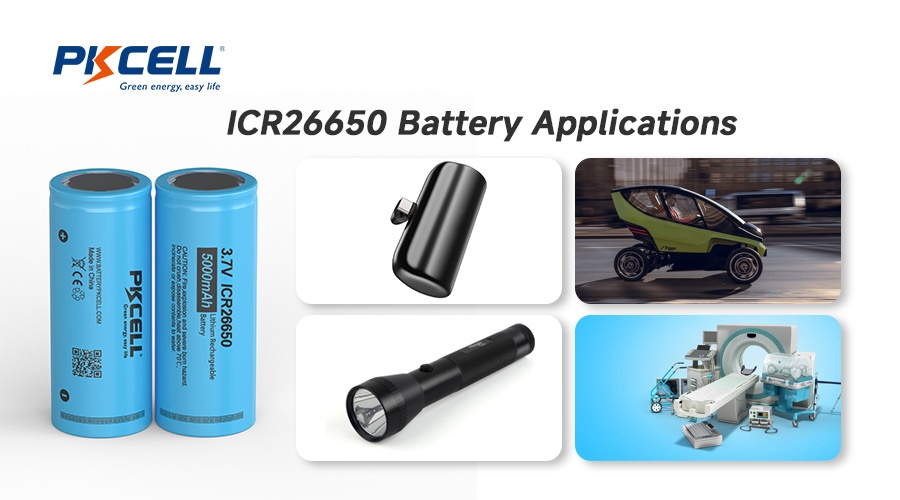
ICR26650 batteries are known for being useful in many ways. People use them in a lot of consumer electronics and tools. These lithium batteries give a steady voltage and work well in things like flashlights and portable tools. The strong build helps them last for a long time, giving a good cycle life. You can also get a custom battery pack made for special needs. These batteries meet ROHS and CE standards, so they are safer for the earth. With easy shipping, you can get them in many areas.
High-Drain Devices:
High-drain devices need a battery that can give out power fast and for a long time. The ICR26650 battery is built for this. These devices need steady energy to work well, and the ICR26650 meets those needs. Here are the places where this battery works best:
- Flashlights: They need a lot of power to keep their bright light strong and steady.
- Electric Vehicles (Light): While not for full-sized EVs, ICR26650 batteries are often found in battery packs for e-bikes, electric scooters, and other personal mobility devices, where their capacity contributes to longer ranges.
- Portable power tools: They get strong energy from the battery for a long time so you can work without breaks.
- Medical devices: They use this battery because it gives safe and steady energy for the tools doctors and nurses use.
Besides its strong discharge power, you can shape the battery into a custom battery pack. This helps to meet very special high-drain needs at work or at home. All this makes the ICR26650 battery important for many tough jobs.
Energy Storage Systems:
Beyond portable devices, ICR26650 batteries are increasingly used in smaller-scale energy storage solutions:
- Portable Power Banks/Stations: These larger power units, used for camping, emergencies, or off-grid living, often integrate 26650 cells to provide reliable and long-lasting power.
- Solar Energy Storage (Small Scale): For compact solar setups or backup power for small appliances, ICR26650 battery packs can offer efficient energy storage.
Maximizing Your ICR26650 Battery Lifespan
Extending the life of your ICR26650 batteries saves money and ensures consistent performance.
- Use the Right Charger: Only use a smart charger designed for lithium-ion 26650 batteries with a precise 4.2V voltage cut-off. Avoid chargers meant for other chemistries.
- Optimal Charging Habits: While a full 4.2V charge offers maximum runtime, routinely charging to around 80% (4.1V) and avoiding deep discharges significantly prolongs battery life. Recharge before the battery is fully depleted.
- Temperature Management: Keep batteries in a cool, dry place, away from direct sunlight or heat. Allow them to cool completely after heavy use before recharging.
- Proper Storage: For long-term storage, keep ICR26650 batteries partially charged (ideally 3.7V to 3.8V or 50-60%) in a cool, dry environment to minimize stress.
- Avoid Extreme Currents: Don’t exceed your battery’s specified continuous discharge rate. Overloading a battery can cause overheating and rapid degradation.
PKCELL ICR26650 Batteries: A Trusted Choice
When selecting ICR26650 batteries, PKCELL stands out as a reliable choice for performance, reliability, and safety. This brand is known for its quality control, offering ICR26650 cells with consistent capacity and stable voltage. Opting for PKCELL means you get durable batteries with built-in protection mechanisms against common issues. They’re well-suited for diverse uses, from LED flashlights to energy storage systems, ensuring your devices are powered safely and efficiently, free from the risks of lower-quality alternatives.
Conclusion
Getting to know ICR26650 batteries can help you use this strong power source in the best way. These batteries have special specs, a range of uses, and work in many different devices and systems. They are good for many things and offer you some real flexibility. It’s important to follow safety tips. That way, the batteries will last longer and work well for you. Picking a known brand like PKCELL means you get good quality and trust in your power choices. If you need them for high-use gadgets or to store energy, knowing what sets these batteries apart will help you choose wisely. If your business needs special options, get a quote today!
If you want to learn more details of 26650 batteries, you can click these blog links blow.
Explore IFR26650 Battery: Powering Your Lithium Solutions
What Is The Difference Between 26650 Lithium Battery And 18650 Lithium Battery?
Frequently Asked Questions
Are ICR26650 batteries interchangeable with 18650 batteries?
No, you can not swap ICR26650 batteries with 18650 batteries. The ICR26650 is bigger and it holds more power than the 18650. The shape and size, along with how much charge these batteries give, do not match. Even though you might use connectors or adapters to link them, the voltage and the size be too different for a simple replacement. The two are just not made to work in the same way, so you need to use each for what it is meant for.
What is the typical lifespan of an ICR26650 battery?
An ICR26650 battery can last for more than 500 cycle life when you use it the right way. If you pay attention to discharge rates and do not push the lithium battery too hard, it will last longer. The key is to take care of the battery for the best performance.
How should I store ICR26650 batteries safely?
For safe ICR26650 battery storage, keep the charge around 40–50%. Store it in a dry place that is cool. When you ship lithium-ion batteries, always follow the shipping rules to keep them safe from damage. Do not expose the battery to high or low temperatures. Make sure you handle the battery with care. This will help the battery last longer and keep it safe to use.
What’s the difference between ICR, IMR, and INR 26650 batteries?
ICR batteries use cobalt. They give high capacity. IMR types use manganese. They give better current output. INR types mix nickel, manganese, and cobalt. This helps make the cycle life longer and keeps the voltage stable. Each battery fits different power needs because of how much energy they hold and their nominal voltage. The chemistry inside each one sets them apart. These differences affect cycle life, nominal voltage, and how well they work for you.
Post time: Jul-22-2025


