
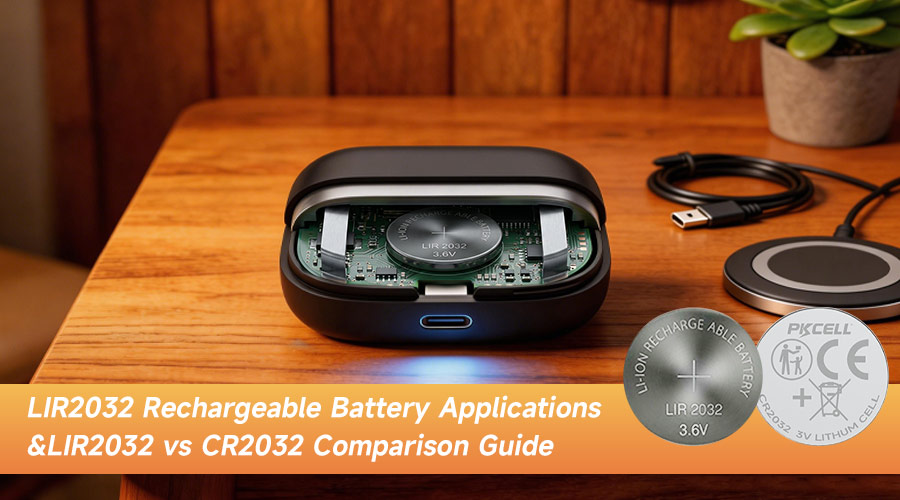
Introduction
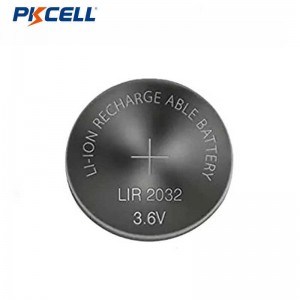
Compact electronics such as IoT sensors, wearable devices, smart home nodes, and portable medical equipment require reliable miniature energy sources. Among rechargeable coin cells, the LIR2032 rechargeable battery is widely used because it combines compact size with reusable lithium-ion chemistry and stable voltage output.
Table of Contents
1. What Is an LIR2032 Battery?
2. LIR2032 Battery Applications in Different Industries
3. LIR2032 vs CR2032 Battery: What’s the Difference?
4. When Should You Choose an LIR2032 Battery Instead of a CR2032 Battery?
5. When Is a CR2032 Battery the Better Choice?
6. Design Considerations When Selecting a Coin Cell Battery for Embedded Devices
7. Future Trends of Rechargeable Coin Cell Batteries in IoT and Wearables
8. Frequently Asked Questions (FAQs)
1.What Is an LIR2032 Battery?
Electrical Performance Characteristics of LIR2032 Rechargeable Batteries
| Parameter | Typical Range |
|---|---|
| Nominal voltage | 3.6 V |
| Charge voltage | 4.2 V |
| Standard charge current | 0.2C |
| Max continuous discharge | 10–20 mA |
| Pulse discharge current | 30–60 mA |
| Operating temperature | −20 °C to +60 °C |
LIR2032 Battery Specifications
| Parameter | Typical Value |
|---|---|
| Nominal voltage | 3.6 V |
| Charge voltage | 4.2 V |
| Typical capacity | 35–50 mAh |
| Recharge cycles | 300–500 |
| Diameter | 20 mm |
| Thickness | 3.2 mm |
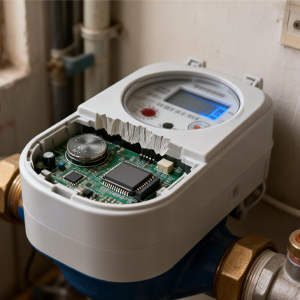
LIR2032 Battery for IoT Devices
Typical applications include:
- BLE beacon transmitters
- environmental monitoring nodes
- smart agriculture sensors
- asset tracking modules
Rechargeable operation reduces maintenance visits in distributed IoT networks.
LIR2032 Battery for Smart Home Sensors
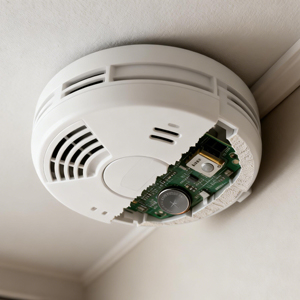
Common smart-home integrations include:
- door/window sensors
- occupancy sensors
- PIR motion detectors
- wireless environmental monitors
Rechargeable operation supports long-term deployment stability.
2. LIR2032 Battery Applications in Different Industries
The LIR2032 rechargeable battery is designed for low-power compact electronics requiring periodic charging rather than replacement.
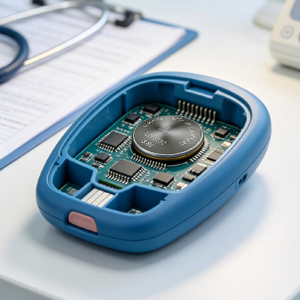
LIR2032 Battery for Medical Devices
Medical electronics require stable micro-power delivery and safe battery chemistry.
Typical examples:
- wearable monitoring patches
- portable diagnostic modules
- glucose sensing systems
- rehabilitation monitoring sensors
The lir2032 rechargeable battery enables repeated operation cycles without frequent replacement.
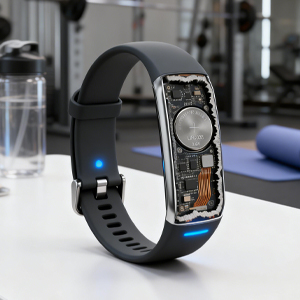
LIR2032 Battery for Wearable Electronics
Wearables benefit from compact rechargeable lithium coin cells.
Examples include:
- smart rings
- posture correction devices
- health monitoring trackers
- compact Bluetooth accessories
Rechargeable operation improves lifecycle cost efficiency.
3. LIR2032 vs CR2032 Battery: What’s the Difference?
| Parameter | LIR2032 Battery | CR2032 Battery |
|---|---|---|
| Battery type | Rechargeable lithium-ion | Primary lithium manganese |
| Nominal voltage | 3.6 V | 3.0 V |
| Typical capacity | 35–50 mAh | 200–240 mAh |
| Recharge cycles | 300–500 | Single-use |
| Peak current capability | Lower | Higher |
| Lifecycle efficiency | Higher | Lower |
CR2032 offers higher single-cycle capacity, while LIR2032 provides reusable lifecycle energy efficiency.
Can an LIR2032 Battery Replace a CR2032 Battery?
Voltage mismatch risk
Charging circuit requirement
4.When Should You Choose an LIR2032 Battery Instead of a CR2032 Battery?
- device includes charging interface
- battery replacement access is limited
- lifecycle > 12 months required
- wearable electronics require rechargeability
- sustainability requirements exist
- BLE trackers
- medical patches
- IoT sensor nodes
- smart wearable accessories
5.When Is a CR2032 Battery the Better Choice?
- remote controls
- calculators
- RTC backup memory
- low-power standby sensors
- key fob electronics
6. Design Considerations When Selecting a Coin Cell Battery for Embedded Devices
| Parameter | Selection Reason |
|---|---|
| Voltage compatibility | Prevent circuit damage |
| Capacity | Defines runtime |
| Peak discharge current | Supports RF transmission |
| Rechargeability | Extends lifecycle |
| Operating temperature | Ensures outdoor reliability |
Circuit Design Considerations for Using LIR2032 Rechargeable Coin Cells
Use charging management IC
- overcharge
- over-discharge
- reverse current leakage
Limit discharge current peaks
Include voltage regulation
Optimize sleep-mode firmware
7.Future Trends of Rechargeable Coin Cell Batteries in IoT and Wearables
Market adoption of lir2032 rechargeable battery solutions continues increasing because of:
growth of smart sensor networks
wearable healthcare expansion
BLE ecosystem deployment
sustainable electronics manufacturing trends
Rechargeable lithium coin cells are expected to replace many disposable coin battery applications in next-generation embedded devices.
8. Frequently Asked Questions (FAQs)
A: Only if the device supports rechargeable lithium coin cells and includes a charging circuit designed for 4.2 V charging voltage.
A: CR2032 lasts longer per single discharge cycle, but LIR2032 provides longer total lifecycle operation due to rechargeability.
A:Rechargeable lithium coin cells such as LIR2032 battery provide stable voltage delivery and improved lifecycle reliability for wearable electronics.
A:For rechargeable IoT nodes, LIR2032 lithium rechargeable batteries are typically preferred because they reduce maintenance frequency and support repeated deployment cycles.
9. PKCELL: Your Professional B2B Battery Manufacturer
Post time: Mar-30-2026


