
Why GPS and Asset Tracking Systems Require Specialized Batteries
The Challenge of Long-Term Remote Operation
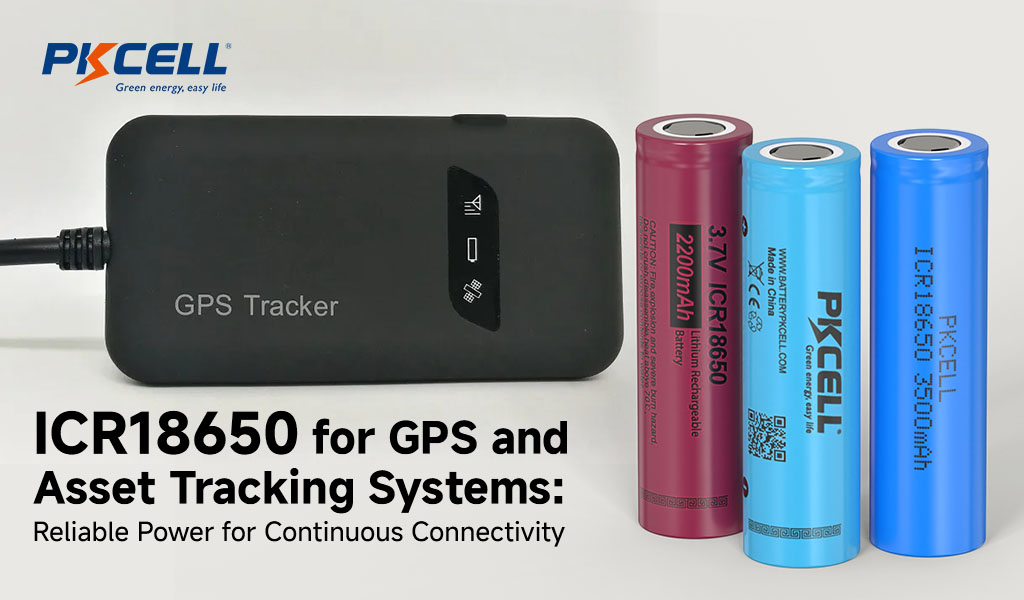
GPS and tracking devices often run for months—or even years—without human intervention. They’re installed on vehicles, shipping containers, or remote assets where frequent maintenance simply isn’t possible. That’s why these systems demand batteries that can deliver stable voltage, high energy density, and reliable performance under all environmental conditions.
Power Demands in GPS Modules and Communication Systems
A tracking device doesn’t just record location data; it also sends signals, stores data, and communicates with satellites or servers. These operations require continuous, clean power, which only a high-quality lithium-ion cell can ensure.
Importance of High Energy Density and Safety in Mobile Tracking Devices
Since space is limited, the battery must be small yet powerful. The ICR18650 cell meets these requirements perfectly—offering excellent energy density while maintaining a strong safety record with proper protection circuits.
What Is an ICR18650 Battery?
Understanding Lithium-Ion ICR18650 Cell Chemistry
The ICR18650 is a cylindrical lithium-ion cell that uses cobalt-based chemistry (LiCoO₂). It’s known for its high energy density and consistent discharge characteristics, which make it ideal for compact, portable devices.
Typical Specifications
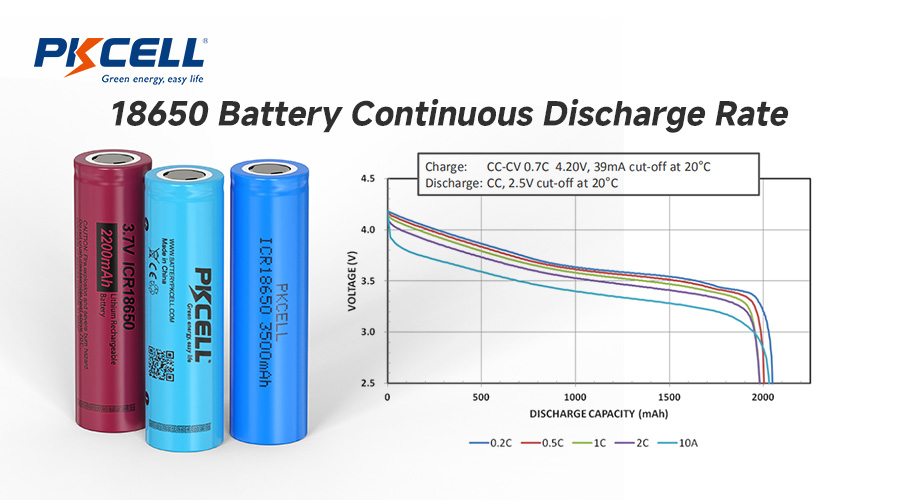
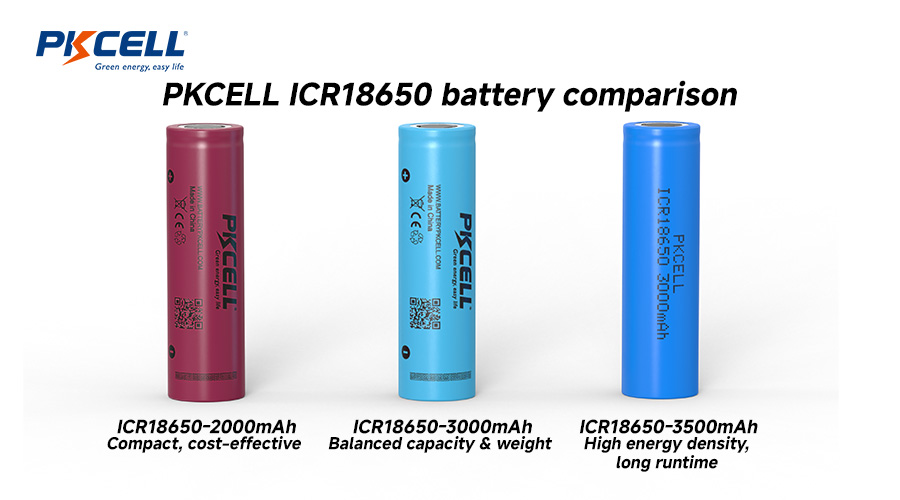
Most ICR18650 cells operate at a nominal voltage of 3.7V, with capacities ranging from 2000mAh to 3500mAh. This balance between voltage and capacity enables long operating hours for GPS and tracking devices without increasing size or weight.
Rechargeable and High Energy Density Characteristics
Unlike primary lithium cells, ICR18650 batteries are rechargeable and can complete hundreds of cycles with minimal capacity loss—an advantage for reusable tracking devices or systems powered by solar panels.
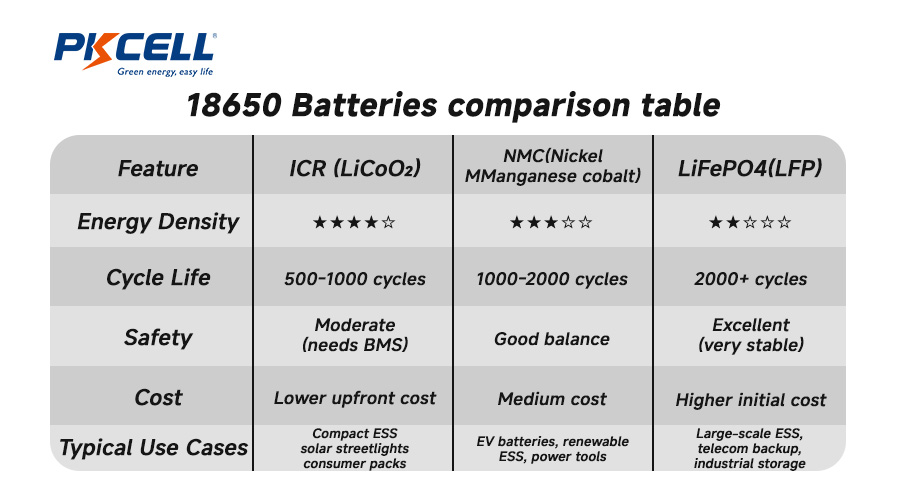
Comparison: ICR18650 vs. LiFePO₄ vs. LiMnO₂
Advantages of ICR18650 Batteries in GPS and Asset Tracking Systems
Lightweight and Compact Design
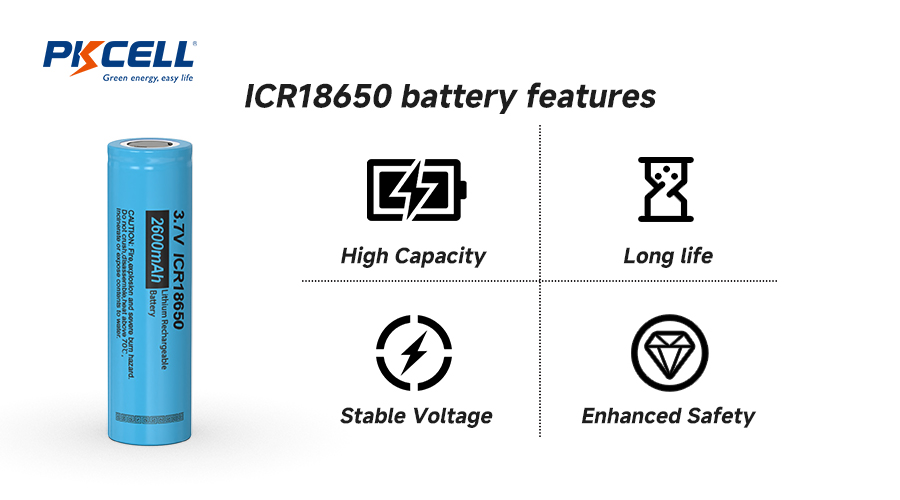
ICR18650 cells deliver high energy in a small form factor. This allows designers to minimize the overall size of tracking systems without compromising battery life.
High Energy Density
With the characteristics of high energy density, ICR18650 can power GPS systems for extended periods and reduce downtime. This makes them especially suitable for fleet or cargo tracking operations.
Consistent Voltage
Stable voltage is essential for accurate signal transmission. The ICR18650 provides steady output, which ensures consistent performance even when battery capacity drops.
Compatibility with Backup Solar or Power Modules
Many GPS systems include solar charging or auxiliary power sources. The ICR18650’s charging compatibility makes it ideal for hybrid energy systems.
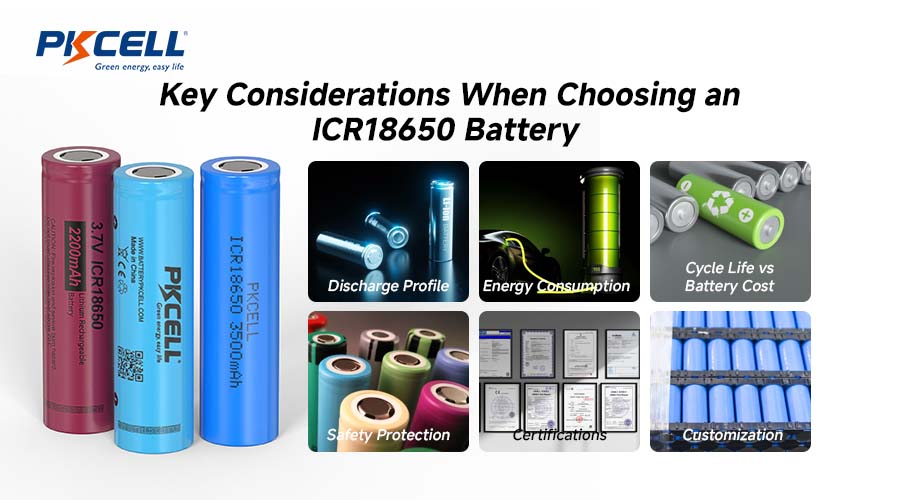
Key Considerations When Choosing an ICR18650 Battery for Tracking Devices
Discharge Profile and Energy Consumption of Your Device
Match the battery’s discharge curve with your device’s power demand. Devices that send data frequently need higher capacity or multiple cells.
Cycle Life vs. Battery Replacement Cost
A higher cycle life means fewer replacements—critical for cost-sensitive projects managing hundreds of devices.
Safety Protection — Overcharge, Overdischarge, Short Circuit
Look for built-in PCM or BMS protection to prevent failure in harsh or remote environments.
Certification Requirements (UN38.3, IEC62133, MSDS)
These certifications ensure the battery meets international safety and transport standards, especially important for OEM and export operations.
Customization Options for OEM and Fleet Applications
Manufacturers like PKCELL can tailor the capacity, connector type, and protection circuits to your project’s exact needs.
PKCELL ICR18650 Battery Solutions for GPS and Asset Tracking
Each model is designed for reliability and performance consistency. PKCELL supports OEM customization—from single-cell configurations to multi-cell packs with PCM/BMS systems for enhanced safety and longevity.
Quote for PKCell ICR18650 Battery Now!
FAQs About ICR18650 Batteries for GPS and Tracking Systems
How long does an ICR18650 battery last in GPS applications?
Depending on capacity and usage, an ICR18650 battery can power GPS trackers from several days to multiple weeks on a single charge. With proper charging cycles and protection circuits, it can last up to 2–3 years before replacement.
Can ICR18650 batteries operate in outdoor or cold environments?
Yes. High-quality ICR18650 cells from PKCELL can operate in wide temperature ranges (−20°C to +60°C), making them reliable for outdoor and industrial tracking systems.
Does PKCELL offer custom ICR18650 battery packs for OEM projects?
Absolutely. PKCELL provides OEM customization, including battery pack assembly, BMS integration, and connector customization to match your device’s specifications.
Post time: Oct-11-2025


