
Key Highlights
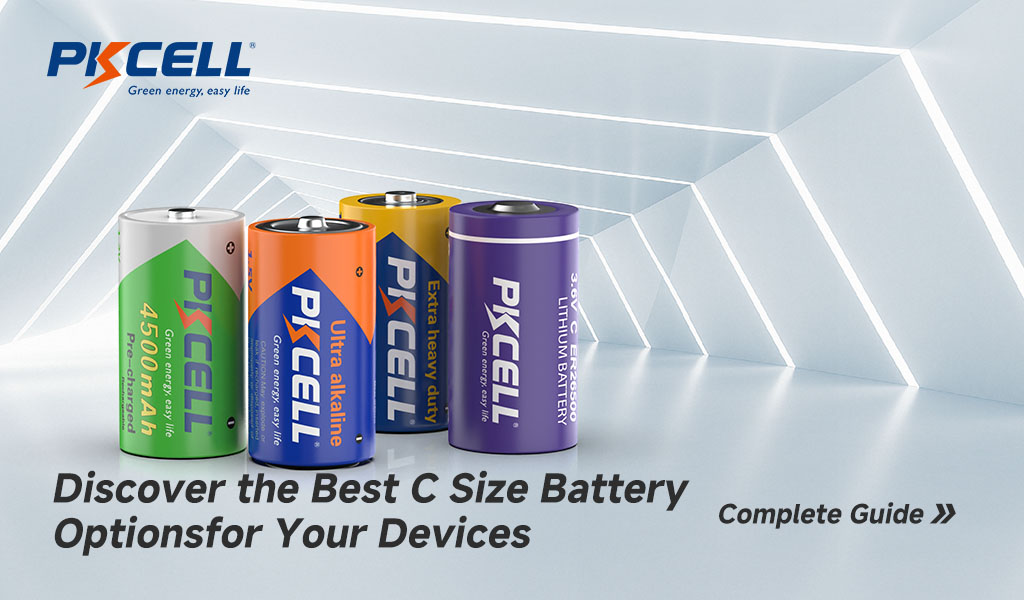
- C batteries are bigger than AA batteries. They also hold more power, so these are good for things that use a lot of energy.
- Alkaline batteries are the most common kind of C battery. You can find them easily, and they have a good shelf life.
- Things like flashlights, radios, and some types of medical equipment often use C batteries because they are reliable and long-lasting.
- Keeping your batteries in the right place and throwing them away the right way helps them last and is better for the environment.
Understanding C Batteries and Their Common Uses
C batteries are a kind of cylindrical power source. They are called alkaline batteries most of the time. C batteries are bigger than AA batteries but smaller than D batteries. What makes a C battery different from an AA or D battery? The main things are their size, how much power they can give, and which devices they are used in. Their higher capacity helps them power things that need more energy for a longer time.
Key Characteristics of C Batteries: Size, Voltage, and Capacity
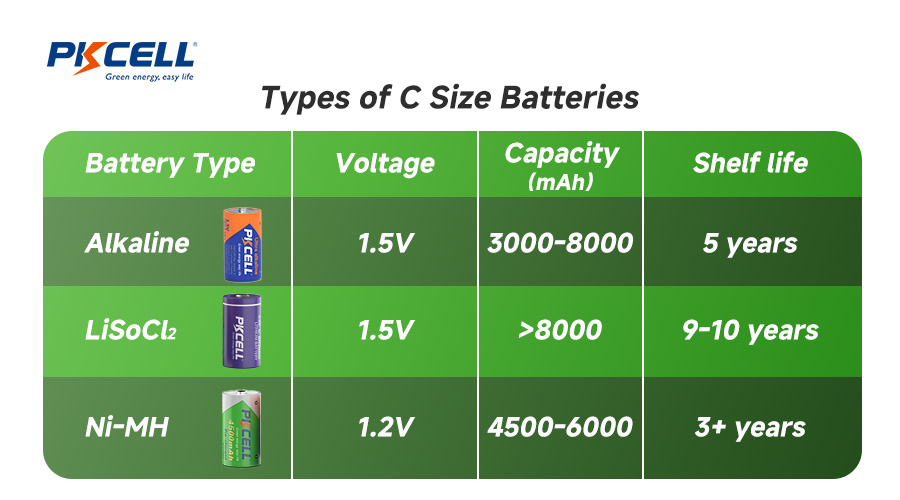
C batteries are about 50mm tall and 26.2mm across. This size helps them to fit well in mid-sized electronic devices. When you look at voltage and capacity, C batteries work at 1.5 volts. This is the same as what you get in AA and D batteries. What makes them different is their bigger capacity. A standard alkaline C battery gives you as much as 8000mAh. A rechargeable NiMH version gets up to about 6000mAh. This high capacity helps those batteries last longer in high-power devices, like flashlights or radios.
Popular Devices That Rely on C Batteries
Not every gadget in your home uses enough energy to need a C battery. But for some devices, these batteries are the best option. The bigger size and higher power of C batteries mean they last longer in things that use a medium amount of energy.
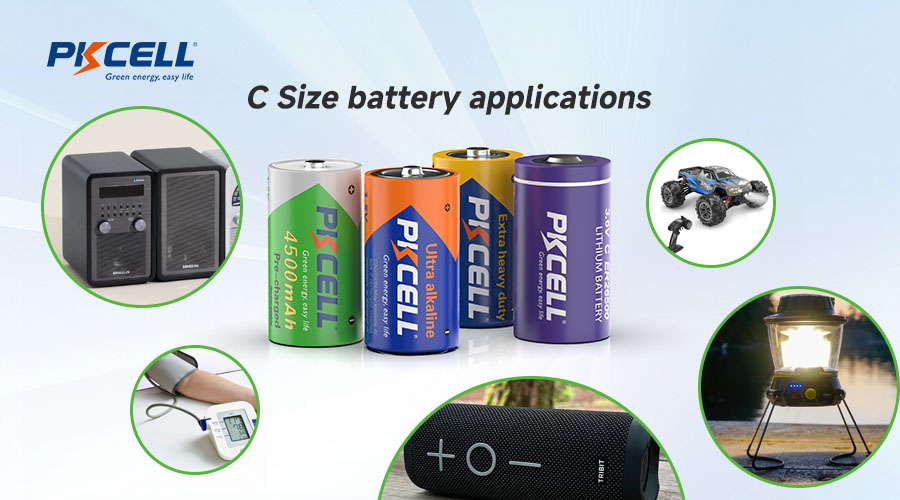
Consider these typical applications:
- Portable radios and speakers help you get steady sound while you go out.
- Flashlights and camping lanterns need to work for a long time when the power is out or you are outside.
- Toy cars and trucks can give hours of non-stop fun to kids.
- Some medical devices, like blood pressure monitors, must work well every time for the safety of people.
C batteries give both household and work tools strong power. They last a long time. That is why people choose them instead of smaller batteries for most uses.
Comparing Types of C Batteries: Alkaline, Lithium, and Rechargeable
Pros and Cons of Alkaline, Lithium, and NiMH C Batteries
Every battery type has its own strengths and weaknesses, and this can affect what people use them for and how much they cost. Alkaline batteries are one of the most common because they are easy to get and do not cost a lot. But alkaline batteries do not last as long as some other types, and you can not recharge them.
Lithium C batteries last a long time, keep voltage steady, and usually do not leak. But, they cost more. Rechargeable NiMH C batteries can be charged many times and hold more power. These work well if you use the device often, even though the first price is higher. Both options have good shelf life.
| Battery Type | Cost | Rechargeable | Leakage Risk | Best For |
|---|---|---|---|---|
| Alkaline | Low | No | Moderate | Occasional, moderate-drain devices |
| Lithium | High | No | Low | High-drain, long-term use |
| NiMH (Rechargeable) | High | Yes | Low | Frequent-use, eco-friendly |
Choosing the Right C Battery for Your Device
Choosing the best C battery depends on the device you use and how often you use it. Alkaline batteries are suitable for gadgets that you don’t use often. These batteries also have a decent shelf life. If you need a battery for something that requires high power or for emergencies, lithium batteries are a better pick because they last longer. For devices you use every day, it’s best to go with rechargeable (NiMH) batteries. These will help you save money over time, and they also help cut down on waste.
Key points to consider:
- Make sure the battery chemistry fits what your device needs to work well.
- Look at cost and value. Rechargeable batteries can cost more at first, but they save money in the long run.
- Think about how often you will need to replace or recharge batteries.
- It is always good to read what the manufacturer says to use for the best results.
By knowing about these factors, you can make sure that your battery-powered devices work well and stay safe when you use them. This helps all your devices last longer and be more reliable.
Safe Usage, Storage, and Disposal of C Batteries
Best Practices for Maximizing Battery Life and Safety
Taking good care of your batteries can help them last longer and work better. You should always keep your C batteries at room temperature when you are not using them. Store them in their original packaging. This keeps the moisture and anything else that could harm them out. It helps stop them from losing power by accident and gives them a better shelf life.
When you use batteries, do not mix old ones with new ones. Also, do not use different brands together in one device. This can lead to leaks or make the batteries not last as long. If you do not use a device for a long time, take the batteries out. Always follow the rules of the maker for charging and use.
In most household electronics, C batteries can work for a few months to a few years. How long they last will depend on the device’s power usage and the type of battery you have.
How to Recycle and Dispose of Used C Batteries Responsibly
Throwing away batteries the right way keeps the environment safe from harmful chemicals. It also helps us save resources. Most places have easy ways to recycle batteries. Never burn used C batteries. Do not crush them or put them in the regular trash at home. Instead, do this:
- Take them to a battery recycling center or to a place that collects batteries.
- Follow the rules your place has for dumping batteries, especially for types that use lithium or that can be charged again.
- If you do not know what to do, reach out to a waste office near you to get the steps.
Recycling batteries lets us get back useful metals, so we can use them again. This helps to cut down on pollution and stops harmful things from getting into the soil and water.
Why Choose PKCell C Battery?
PKCELL C batteries are a dependable choice for both everyday and industrial use. With over 20 years of battery manufacturing experience, we offer high-quality C size batteries in both alkaline and rechargeable NiMH types. Our C batteries deliver strong, long-lasting power for devices like flashlights, toys, instruments, and emergency equipment. Built for performance and safety, all PKCELL batteries meet international standards such as ISO9001, CE, and RoHS. Whether you need them for home or bulk B2B supply, PKCELL C batteries provide the reliability you can trust.
Quote for PKCell NiMH C Battery!
Conclusion
To sum up, it is important to pick the right C battery for your device. This helps your device work well and last longer. There are many choices like alkaline, lithium, and rechargeable batteries. You have to think about what your device needs and what each battery can do. Using, storing, and throwing away batteries the right way is good for safety and the environment. When you know more about the good and bad sides of C batteries, you can make better choices for your devices and for the planet. If you want advice made just for you or need help, feel free to contact us for a free talk!
Frequently Asked Questions
Can you mix different brands or types of C batteries in one device?
It is not safe to use different brands or types of C batteries together. Do not mix alkaline batteries, rechargeable, or lithium batteries in the same device. The shelf life, voltage, and how much power each can hold may not be the same. This can make them leak, not work well, or even break your device. Always put in matching batteries at the same time.
How long do C batteries last in household electronics?
C batteries, like alkaline batteries, can last several months to over a year in most household devices. How long the battery will last depends on how much you use the device and how much power it uses. If you use something a lot or if it draws a lot of power, you may need to change the batteries often. If you use a device now and then, it will not need new batteries as much because an alkaline battery has a long shelf life.
What is the typical shelf life of an unused C battery?
An unused C battery has a different shelf life depending on its type. Alkaline batteries can last up to 5 years if you store them the right way. Lithium C batteries might last 9 to 10 years when kept well. Rechargeable (NiMH) C batteries can keep their charge for around 3 years if you do not use them. This gives you a good backup power when you need it.
Thoughts on USB-C rechargeable Li-ion batteries?
USB-C rechargeable Li-ion batteries offer convenience and efficiency for powering devices. They provide faster charging times and are environmentally friendly, reducing waste from single-use batteries. Ideal for users seeking sustainable energy solutions, these batteries combine modern tech with practicality, making them a smart choice for today’s electronic needs.
Post time: Aug-04-2025


