
 Key Highlights
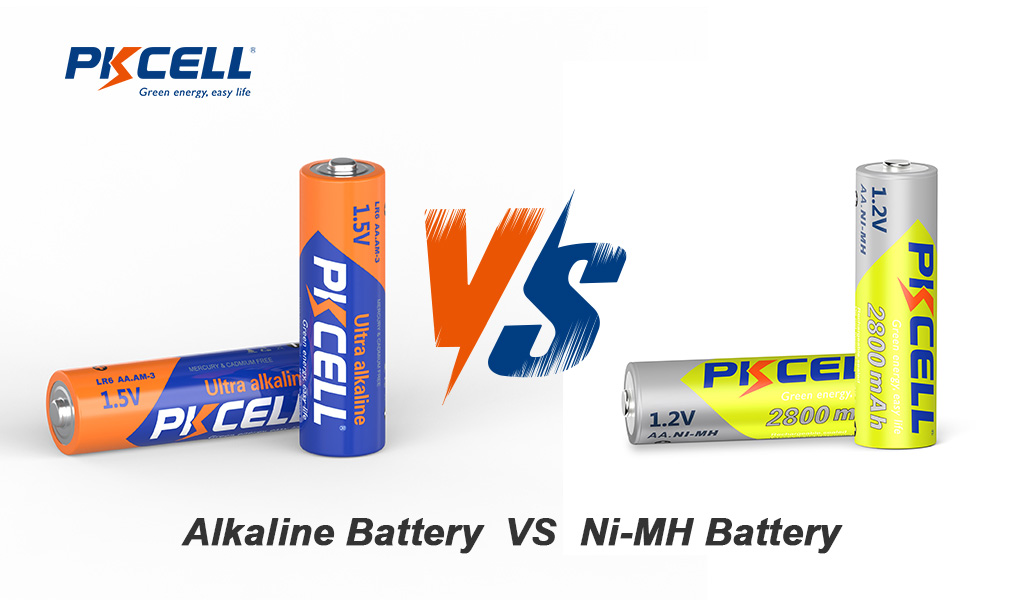
- Alkaline batteries are affordable, disposable, and great for low-drain devices.
- Ni-MH batteries are rechargeable, cost-effective long-term, and ideal for high-drain electronics.
- Understanding discharge curves and voltage is key to picking the right battery.
- PKCELL offers reliable options for both Alkaline and Ni-MH needs.
- Choosing the right battery saves money, reduces waste, and ensures optimal device performance.
Let’s dive deeper into these battery types and their core differences.
Introduction
When you look at battery technologies, alkaline batteries and rechargeable Ni-MH batteries often come up. Both are used in many types of gadgets, and each has its own upsides. Alkaline batteries are usually cheaper, and you can take them almost anywhere. Rechargeable Ni-MH batteries, on the other hand, have a lower capacity compared to other options but offer higher energy density, and you can recharge them, so they last much longer. It’s important to know the key differences, like their chemical makeup, how much energy they can hold, and when you should use each one. This guide will go over what you need to know about these rechargeable batteries so you can pick the right one for you.
Understanding Alkaline Batteries: The Disposable Workhorse
Alkaline batteries are the most common type you’ll find, recognizable by their classic “AA,” “AAA,” “C,” and “D” sizes. They’re designed for single use, offering convenience and immediate power.
What Are Alkaline Batteries?
An alkaline battery uses an electrolyte made of potassium hydroxide. This helps the chemical reactions that give out energy. The battery has a positive electrode, which is usually manganese dioxide, and a negative electrode made of zinc, along with the potential use of cerium to improve efficiency. When you use the battery, the back-and-forth between these two electrodes makes power.
It is the chemical reactions inside that keep the battery working the way it should. This is why an alkaline battery is good for a steady voltage and is reliable. But after the battery is used up, its design means you cannot recharge it. So, you get only one time’s usage out of each battery.
Advantages and Disadvantages of Alkaline Batteries
Advantages:
- Low Initial Cost: They are generally inexpensive to buy, making them a popular choice for budget-conscious consumers.
- Long Shelf Life: Alkaline batteries boast an impressive shelf life, often retaining charge for up to 10 years when stored properly. This makes them ideal for emergency kits or devices used infrequently.
- Wide Availability: You can find them almost anywhere, from supermarkets to convenience stores.
Disadvantages:
- Single-Use: Once drained, they become waste, contributing to environmental concerns.
- Voltage Drop: Their voltage gradually decreases as they are used. While starting at 1.5V, this drop can affect the performance of sensitive electronics or high-drain devices.
- Leakage Risk: Fully discharged or improperly stored alkaline batteries can leak corrosive fluid, potentially damaging your devices.
Best Use Cases for Alkaline Batteries
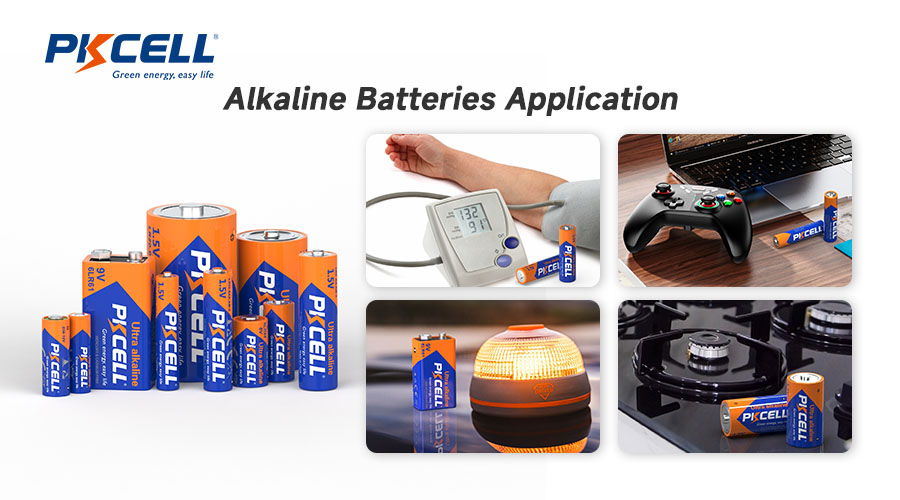
Alkaline batteries excel in low-drain devices that require consistent, but not necessarily high, power output, or those used infrequently. Think:
- TV remote controls
- Wall clocks and alarm clocks
- Smoke detectors
- Basic flashlights (for occasional use)
- Children’s toys with minimal power demands
Understanding Ni-MH Batteries: The Rechargeable Champion
Ni-MH (Nickel-Metal Hydride) batteriesrepresent a leap forward in reusable power. While their upfront cost is higher, their ability to be recharged hundreds of times makes them a smart long-term investment.
What Are Ni-MH Batteries?
Ni-MH batteries use a nickel oxide hydroxide positive electrode and a hydrogen-absorbing alloy negative electrode. Unlike their single-use counterparts, they are secondary batteries, designed to be recharged repeatedly using a compatible charger. They are a significant improvement over older nickel-cadmium (NiCd) batteries, particularly regarding the “memory effect.”Ni-MH batteries use a nickel hydroxide positive electrode and a hydrogen-absorbing alloy negative electrode. Unlike their single-use counterparts, they are secondary batteries, designed to be recharged repeatedly using a compatible charger. They are a significant improvement over older Ni-Cd (Nickel-Cadmium) batteries, particularly regarding the “memory effect.”
Advantages and Disadvantages of Ni-MH Batteries
Advantages:
- High energy density
- Rechargeable & Reusable: This is their biggest selling point. A single Ni-MH battery can replace hundreds of Alkaline batteries over its lifespan, leading to significant savings and less waste.
- Consistent Voltage Output: Ni-MH batteries maintain a stable 1.2 volts output for most of their discharge cycle. This is crucial for high-drain devices that require a steady power supply, especially compared to those that use higher voltage alternatives.
- High Power Output: They can deliver high currents, making them ideal for power-hungry gadgets.
- Environmentally Friendly: By reducing the number of discarded batteries, they help lessen the environmental impact.
Disadvantages:
- Higher Initial Cost: You’ll pay more for the batteries themselves and need to invest in a dedicated charger.
- Self-Discharge: Traditional Ni-MH batteries tend to lose charge faster when idle compared to Alkalines. However, modern “Low Self-Discharge” (LSD) Ni-MH batteries significantly mitigate this issue and can provide high mAh capacity.
- Charging Required: You need to remember to charge them, which can be less convenient for some users than simply swapping out a disposable battery.
Best Use Cases for Ni-MH Batteries
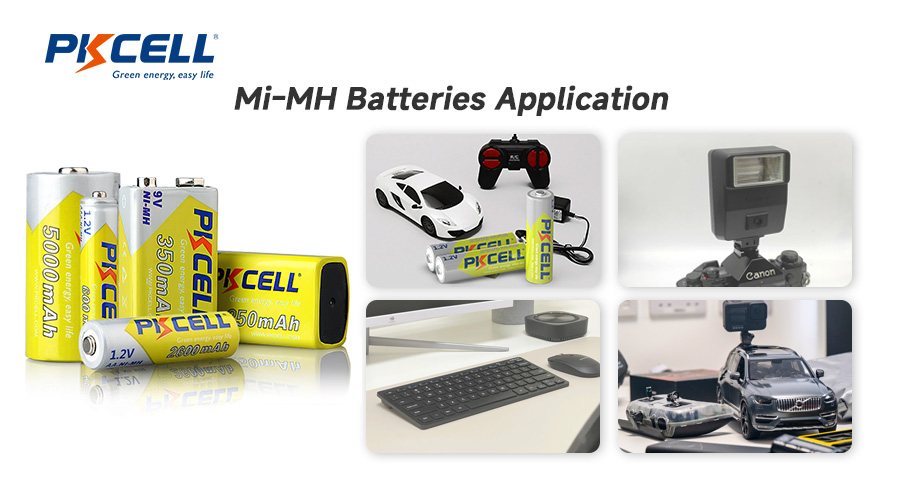
Ni-MH batteries are the go-to choice for high-drain devices and electronics that you use frequently:
- Digital cameras and flash units
- Gaming controllers (Xbox, PlayStation, Nintendo)
- Wireless keyboards and mice
- Remote control cars and drones
- Portable audio players
These batteries focus on high discharge rates but can also be used in other ways. You find them in energy-saving setups, like renewable technology. Ni-MH batteries work with most modern electronics and have few problems.
Head-to-Head: Alkaline vs. NiMH Battery Performance Breakdown
Let’s dive into the specifics that truly differentiate these two battery titans.
Performance Comparison Table
| Performance Aspect | Alkaline Batteries | Ni-MH Batteries |
|---|---|---|
| Type | Disposable (Single-Use) | Rechargeable (Multi-Use) |
| Energy Density | Moderate | High |
| Initial Cost | Low | Higher (includes charger) |
| Long-Term Cost | High (constant replacement) | Low (after initial investment) |
| Cycle Life | Single-use | Rechargeable: 300-1000 cycles |
| Power Delivery | Better for low-drain | Excellent for high-drain |
| Voltage | 1.5V | 1.2V |
| Environmental Impact | More waste, difficult to recycle universally | Less waste, widely recyclable |
Battery Life & Discharge Curve Analysis
When we talk about battery life, it’s not just about how long a battery lasts, but how it performs during its lifespan.
Alkaline batteries start at 1.5V but their voltage gradually declines as they discharge. This means devices needing a consistent voltage might show “low battery” warnings even when there’s still some power left, or they might simply perform sluggishly. This gradual drop defines their Alkaline battery life.
Ni-MH batteries, despite their lower nominal 1.2V, maintain a much flatter discharge curve. They deliver a stable voltage for a longer period before dropping off sharply. This “steady power” is why they are often superior for high-drain devices, ensuring optimal performance right up until they’re truly empty. This consistent output is a hallmark of good Ni-MH battery life.
Making Your Choice: Which Battery is Right for You?
When you need to pick between alkaline and Ni-MH batteries, think about how you will use them. If you have devices that do not use a lot of power, alkaline batteries are good to use. For things that use a lot of energy, Ni-MH batteries are better because you can recharge them. Look at how often you use your devices and how much power they need. This will help you make a good choice for your usage needs.
For Low-Drain, Infrequent Use:
If you have devices that sip power slowly or are used only occasionally, Alkaline batteries are usually the more practical and convenient choice. Their low initial cost and long shelf life mean you can stock them and forget about them until needed.
For High-Drain, Frequent Use:
When you pick battery solutions for things that use a lot of power often, you need to think about how well the battery works. Ni-MH batteries are great because they can give a higher discharge rate. This is very important, especially for power tools, digital cameras, and electric vehicles, which always need a steady amount of power. These batteries have higher energy density, too, so they can hold and give out more energy. This lets them keep the voltage up for a long time. Because of that, power-hungry devices can keep working without stopping a lot.
Another good thing about Ni-MH batteries is their long cycle life. You do not have to change them so much. If you want a battery that lasts and does not break down fast, nimh batteries make them a good choice. People who need reliability in devices that use a lot of energy often pick Ni-MH batteries for this reason.
Hybrid Approach:
A hybrid approach brings together the top features of both Alkaline and Ni-MH batteries. This gives you more choices for different uses. For example, Ni-MH batteries have a higher energy density of over 70 Wh/kg and a longer cycle life, contributing to their long life. They work well in things like power tools, digital cameras, and hybrid vehicles, including the Toyota Prius, that use a lot of power, including those from General Motors, as well as in portable devices. On the other hand, alkaline batteries cost less and are good for things that do not use much energy, such as flashlights and remote controls. By using Ni-MH in high-drain devices and alkaline in low-drain devices, you can make sure you get the best mix of cost, efficiency, and steady use.
Recommended Choice: PKCELL Batteries for Reliability and Value
When you’re choosing batteries, quality and reliability are key. PKCELL is a trusted manufacturer known for its high-performing Alkaline and Ni-MH batteries. Their Alkaline batteries offer dependable power and a great shelf life for all your low-drain household devices, giving you the convenience and affordability you expect. For those needing rechargeable power, PKCELL’s Ni-MH batteries deliver excellent capacity and stable voltage, perfect for demanding electronics. These durable rechargeable batteries mean you can count on consistent, high-performance use and a long battery life for your gadgets.
Conclusion
Choosing between Alkaline vs. Ni-MH batteries doesn’t have to be a guessing game. By understanding their core differences in cost, performance, and environmental impact, you can make informed decisions that benefit both your wallet and the planet. Whether you opt for the convenience of Alkaline or the long-term savings of Ni-MH, select the battery that best fits your device’s needs and your lifestyle.
For commercial clients with bulk purchase needs for Ni-MH, Alkaline, or special specifications, please contact our sales team for exclusive enterprise-level solutions
Frequently Asked Questions
Can I use Ni-MH batteries in devices that require alkaline batteries?
Yes, you can use Ni-MH batteries in things that usually need alkaline batteries. But the lower voltage in Ni-MH batteries might not work as well in high-drain devices. This can affect how the device works. It is a good idea to check what the device needs for power before you use Ni-MH batteries. This helps you avoid any problems with voltage or the way it runs.
Why do Ni-MH batteries cost more upfront than alkaline batteries?
Ni-MH batteries cost more at first. This is because the way they are made is more complex and they use costlier materials. But these batteries last longer, and you can recharge them many times. This can help you save money over time, especially if you use batteries often, when compared to alkaline batteries.
How should I store alkaline and Ni-MH batteries?
To store alkaline and Ni-MH batteries, keep them in a cool and dry spot. Do not put them in direct sunlight. You want to make sure the terminals do not touch each other. Try not to expose the batteries to very hot or very cold places. For Ni-MH batteries, do a partial charge before you store them. This will help keep good performance as time goes by. Charging and taking care of your Ni-MH batteries the right way makes them last longer.
Post time: Jul-21-2025


