
Key Highlights
- 18650 lithium-ion batteries offer unparalleled energy efficiency, making them a popular choice for laptops, electric vehicles, and power tools.
- Proper storage of these batteries is key to prolonging lifespan, enhancing performance, and maximizing ROI.
- Storing 18650 batteries incorrectly can lead to significant safety risks, including short circuits and voltage failures.
- Optimal practices include maintaining specific charge levels and controlling environmental factors like temperature and humidity.
- Implementing advanced storage solutions ensures safety, reduces costs, and boosts battery performance over time.
- Adopting safety protocols and monitoring systems can mitigate hazards while ensuring compliance with industry standards.
Introduction
The 18650 lithium-ion battery is a cornerstone of modern energy storage, powering everything from electric bicycles to laptops. Renowned for their compact size and energy density, these cylindrical cells measure 18 mm in diameter and 65 mm in length. However, improper storage can lead to safety hazards and reduced return on investment (ROI). In this blog, we’ll explore the essential strategies for storing 18650 batteries, minimizing risks, and maximizing their longevity and performance, particularly for industrial applications.
If you want to learn more about ICR18650, just click on 18650 Battery Basic Guide . This page has simple information about a lithium battery that you may find helpful.
Common Industrial Applications of ICR18650 Batteries
The ICR18650 battery is very helpful, and people can use it in many ways. This makes it a good choice to give power to important machines and tools in factories and for other work in big businesses.
- Industrial Power Tools: The work in the factory and at building sites needs tools like cordless drills, grinders, and saws. These are used to make things and to help with building jobs.
- AGVs & Robotics: The batteries give power to automated vehicles and robots, both in warehouses and on the line.
- Backup Power: There are smaller backup power boxes and emergency lights put into the main systems on the factory floor.
- Industrial Scanners & Mobile Devices: The power goes into barcode scanners, tough tablets, and many types of data in transport and storage.
- Medical Equipment: These batteries are for devices people can carry, use for emergencies, or check up on others in medical places, such as inside factories.
- Security & Surveillance: The power lets cameras work with no wires and lets people watch from far away in places where you can’t run a normal cord.
Understanding 18650 Battery Risks
Managing the risks of 18650 lithium-ion batteries starts with understanding their technical makeup. These batteries have a high-energy anode and advanced construction but operate within specific voltage limits. Slight deviations can pose hazards.
Improper handling and storage, like incorrect voltage or environmental exposure, can increase the risk of malfunction. Recognizing these dangers helps establish safety and prolong battery life. Next, let’s examine what makes these batteries risky.
What Makes Them Risky?
Lithium-ion batteries, valued for high energy density, face challenges due to their chemical structure. The anode, made of lithium-ion or graphite, stores energy, but operating outside the voltage range of 3.6–3.7 volts can cause failures.
One key risk is over-discharging the battery. If its voltage drops too low, recovery becomes challenging, sometimes rendering the cell unusable. Conversely, overcharging it can cause overheating, swelling, or fire hazards.
Additionally, the discharge process, if uncontrolled, can create imbalances in battery packs, leading to inefficiencies and reduced lifespan. Proper management, including regulated voltage and discharge rates, is crucial for mitigating these risks. In the following sections, we’ll examine common storage hazards and how to prevent them.
Common Hazards in Storage
Even when not in use, improperly stored batteries pose significant risks:
- Short Circuits: Accidental contact between terminals and conductive materials causes rapid discharge, leading to heat, fire, or explosion.
- Physical Damage: Dents or punctures compromise internal structure, risking short circuits and thermal runaway.
- Temperature Extremes: Storage in overly hot or freezing conditions accelerates degradation and increases fire risk. ICR18650s typically operate between -20°C and 60°C (discharge), and charge from 0°C to 45°C. Exceeding these ranges, especially in storage, causes irreversible damage and reduces performance.
Mitigating Risks: Key Safety Protocols
Safety is paramount when dealing with 18650 lithium-ion batteries. Adhering to risk mitigation protocols is essential to prevent hazards like overheating or voltage imbalance. Ensuring batteries are stored at the correct charge levels and in controlled environments greatly reduces these risks.
Implementing protective measures such as insulated containers, temperature monitoring, and short-circuit prevention is equally important. With the right precautions in place, you can enhance safety and extend the usability of your batteries. Next, let’s dive into some detailed protocols for optimal storage.
Storing at the Right Charge Level
Maintaining the ideal charge level is crucial for the health of your 18650 batteries. A fully charged battery may not always be suitable for storage. Instead, storing it at 40%-60% charge can prevent over-discharge and reduce stress.
Key guidelines include:
- Avoid full discharge or exceeding the nominal voltage range of 3.6–3.7 volts.
- Using chargers compatible with the battery’s mAh (milliampere-hour) capacity specifications.
- Regularly inspect charge levels when in long-term storage.
These practices not only stabilize the battery’s chemical integrity but also extend its lifespan. Next, we’ll examine how temperature and humidity play a major role in safe storage.
Controlling the Environment
Environmental factors hugely impact the safety and performance of lithium-ion batteries. High temperatures can accelerate chemical reactions within the battery, leading to swelling or leakage.
Best practices for storage environmental management include:
- Keeping temperature levels within 15°C–25°C (59°F–77°F).
- Maintaining a relative humidity of less than 50%.
- Storing batteries in well-ventilated areas away from heat sources or direct sunlight.
By adhering to these specifications, you reduce the likelihood of thermal runaway, ensuring safety and enhanced ROI. In the next segment, we’ll discuss methods to prevent short circuits and physical damage.
Preventing Short Circuits & Damage
Preventative measures for short circuits and physical damage are critical when storing 18650 batteries. Terminals exposed to conductive materials, like metals or water, can lead to dangerous malfunctions.
Tips for safe handling include:
- Using individual battery cases for insulation between terminals.
- Avoid excessive anode or casing pressure to prevent leakage.
- Keeping batteries out of flashlights or other devices when not in use.
By following these steps, you ensure both safety and functional longevity for your batteries. Up next, learn how proper maintenance helps maximize battery ROI.
Maximizing ROI: Getting More from Your Batteries
Maximizing the ROI of 18650 lithium-ion batteries hinges on careful storage and usage. Adopting best practices can significantly extend the service life of these batteries, thereby reducing replacement costs.
Consistent maintenance, storage at ideal charge levels, and safe usage ensure improved performance over time. By implementing these strategies, industries can achieve a higher return on investment. In the sections below, we’ll explore tactics for extending lifespan, maintaining performance, and reducing costs.
Extending Battery Lifespan
Lifespan preservation demands focused care. Controlled charge/discharge processes protect the anode’s integrity, a critical factor in lithium-ion batteries. PKCELL cells are optimized for longevity, provided they are correctly maintained.
To extend your 18650 batteries’ lifespan, you need to do the following:
- Avoid deep discharges below the rated nominal voltage.
- Charge with brand-approved chargers at the correct current (mAh).
- Rotate usage patterns in multi-battery systems to balance wear.
These measures reduce stress, ensuring stable performance. Next, we’ll delve into performance and reliability.
Maintaining Performance & Reliability
Optimal performance and reliability of 18650 cells hinge on several critical factors. Ensuring that the nominal voltage is maintained within specified limits provides consistent discharge rates essential for applications like flashlights and other lithium-ion devices. Additionally, understanding the importance of storage conditions—temperature and humidity—affects overall lifecycle and capacity, measured in milliampere-hours (mAh). Regular monitoring and tracking facilitate early detection of potential issues, allowing for timely interventions that safeguard efficiency and prolong service life.
Reducing Overall Costs
Implementing effective storage strategies for 18650 cells can significantly lower expenses. By optimizing charging cycles, users can enhance the cycle life of lithium-ion batteries, ensuring a higher return on investment. Evaluating the specifications of battery options, such as capacity (mAh) and nominal voltage, aids in selecting the most cost-efficient solutions. Additionally, leveraging manufacturers like PKCELL, known for superior performance and reliability, further minimizes potential financial risks associated with battery failure or inefficiency. This information often opens in a new window for better insights.
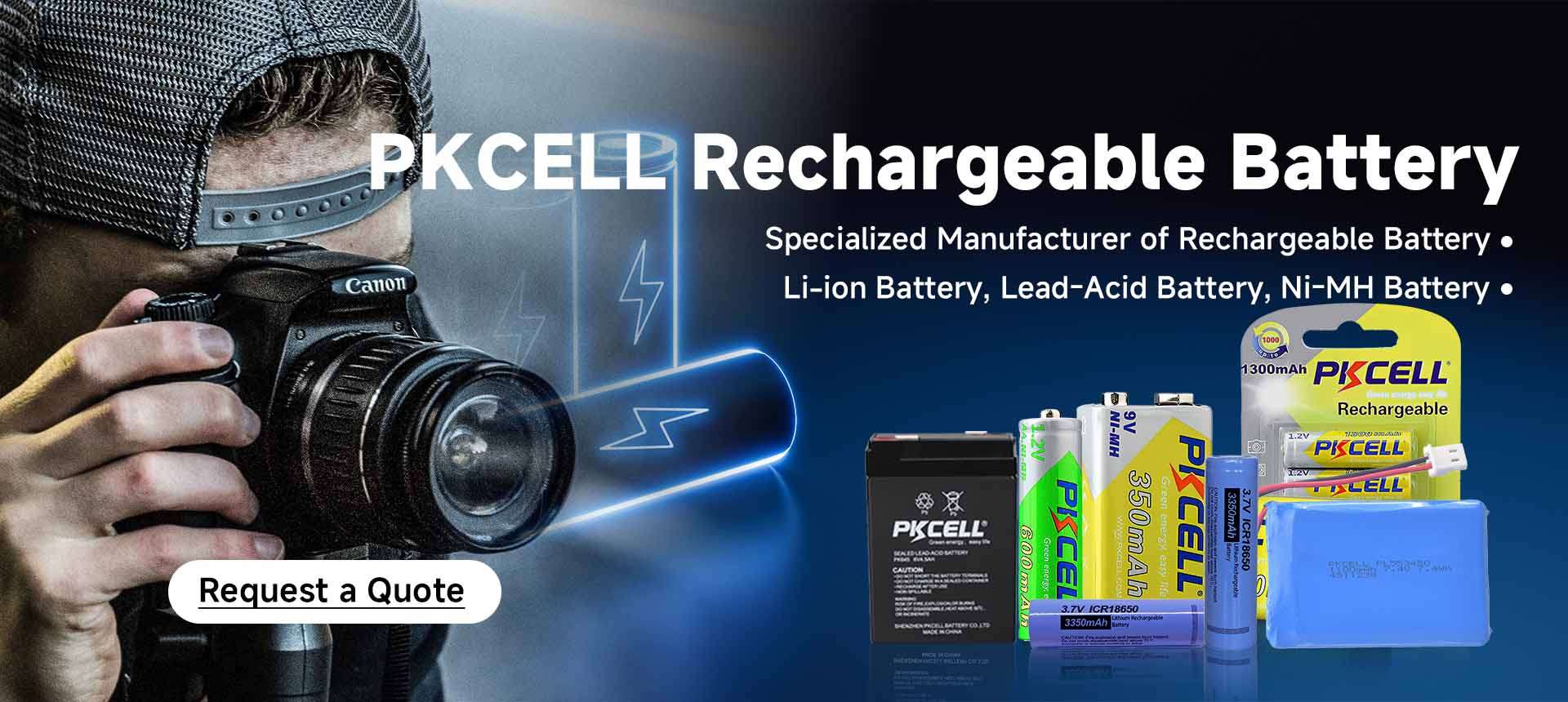
Choose PKCELL Batteries for Unmatched Reliability
For industrial 18650 battery needs, selecting a reliable manufacturer is key. The quality of your batteries directly impacts the effectiveness of your storage efforts, reducing risks and boosting ROI
Why PKCELL is the Smart Choice for Industrial Applications
- Guaranteed Quality: PKCELL batteries are made under strict control, ensuring consistent performance and high reliability, minimizing failures even in long-term storage.
- Built for Durability & Safety: Our 18650 cells feature robust designs for industrial demands, enhancing safe operation and storage while minimizing damage risks.
- Optimized Longevity: Advanced chemistry in PKCELL batteries ensures greater stability and resistance to degradation. This, combined with proper storage, maximizes lifespan and boosts your long-term ROI.
- Full Support: PKCELL offers extensive technical expertise, guiding clients to select ideal solutions and implement best practices for battery management and advanced storage. Partner with us for a complete solution.
Conclusion
A robust approach towards advanced storage solutions fosters not only the longevity of 18650 batteries but also enhances operational efficiency. By integrating systematic monitoring, precision tracking, and thorough training, industries can capitalize on the inherent advantages of lithium-ion technology. Ensuring compliance with established specifications promotes safety and maximizes ROI, setting the stage for sustainable growth. Choosing PKCELL Battery further ensures reliability and performance, reinforcing the strategic importance of such investments in modern applications.
If you’re considering this battery for your project or need expert advice on the best solution, feel free to reach out for a free consultation. We’re here to help you choose the right power solution for your needs.
Frequently Asked Questions
How can proper storage maximize the ROI of 18650 batteries?
Proper storage techniques enhance the longevity and performance of 18650 batteries, reducing degradation and maintenance costs. By implementing controlled environments and efficient inventory management, companies can optimize usage rates, ultimately leading to increased ROI for their battery investments.
What safety measures are essential to prevent battery hazards?
Implementing safety measures such as proper ventilation, fire suppression systems, and regular maintenance checks is crucial for preventing battery hazards. Additionally, ensuring staff training and adherence to safety protocols can significantly mitigate risks associated with lithium-ion battery storage.
How does temperature affect the lifespan and safety of 18650 batteries?
Temperature plays a crucial role in the lifespan and safety of 18650 batteries. High temperatures can lead to increased degradation, while low temperatures might hinder performance. Maintaining optimal temperature conditions ensures reliable operation and minimizes risks associated with overheating or capacity loss.
Post time: Jun-27-2025


